About
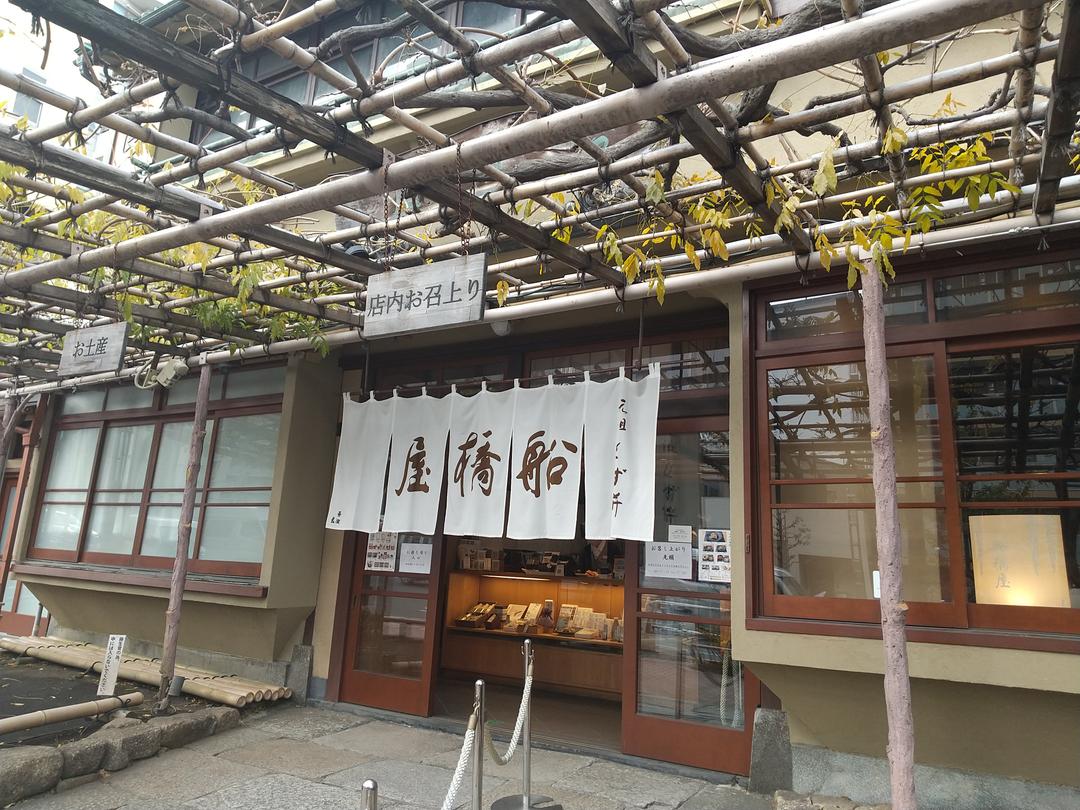
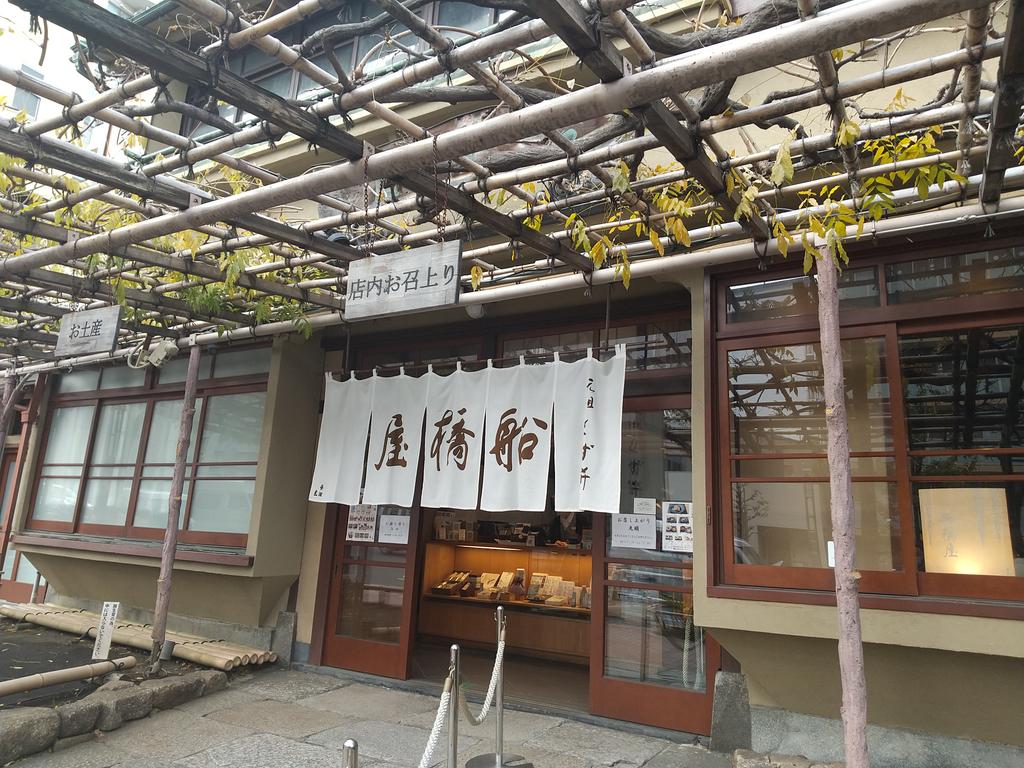
Funabashiya Kameido Tenjinmae Main Shop (船橋屋 亀戸天神前本店) is a wagashi (Japanese sweets) shop at 3-2-14 Kameido, Koto City, near Kameido Station on the JR Sobu Line and the Tobu Kameido Line, founded in the second year of the Bunka era (1805). With more than 220 years of history, it represents Tokyo shitamachi (old downtown) wagashi culture. The signature "kuzu-mochi" is Japan's only fermented Japanese sweet, made by steaming wheat starch that has been fermented for 450 days (one year and three months). Located along the approach to Kameido Tenjin Shrine, the shop is favored by worshippers and tourists as a Tokyo shitamachi format.
— 1805 Kameido: Kuzu-Mochi Fermented for 450 Days
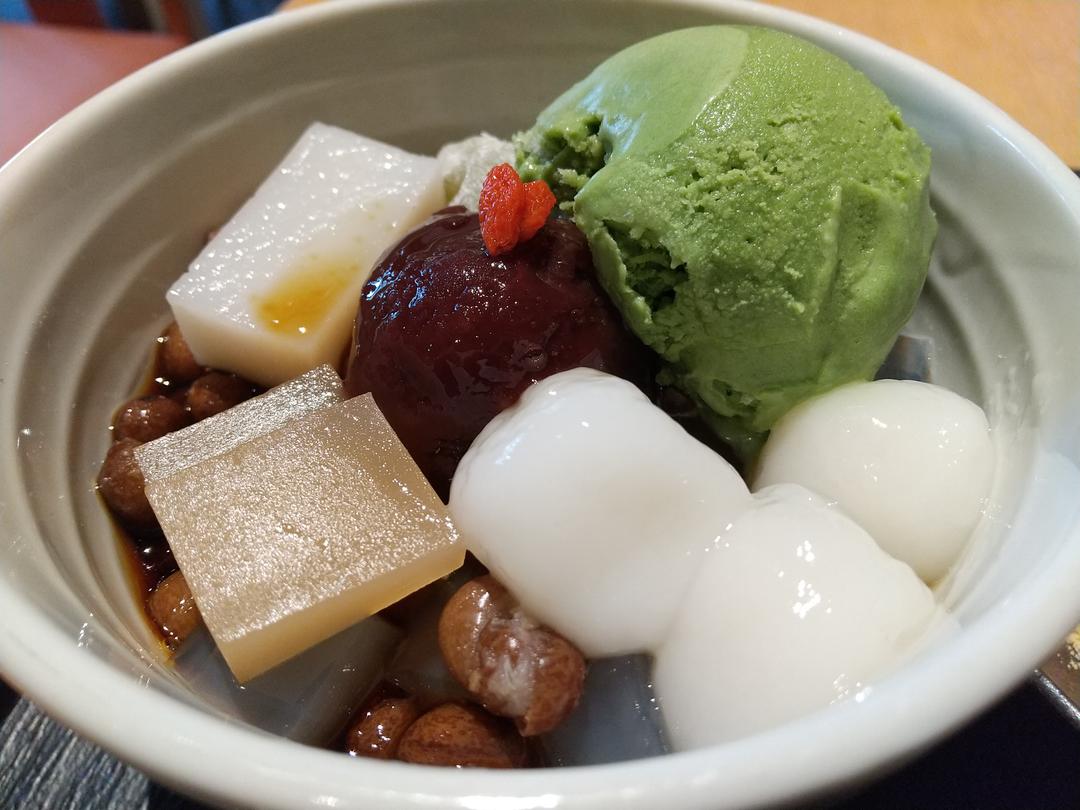
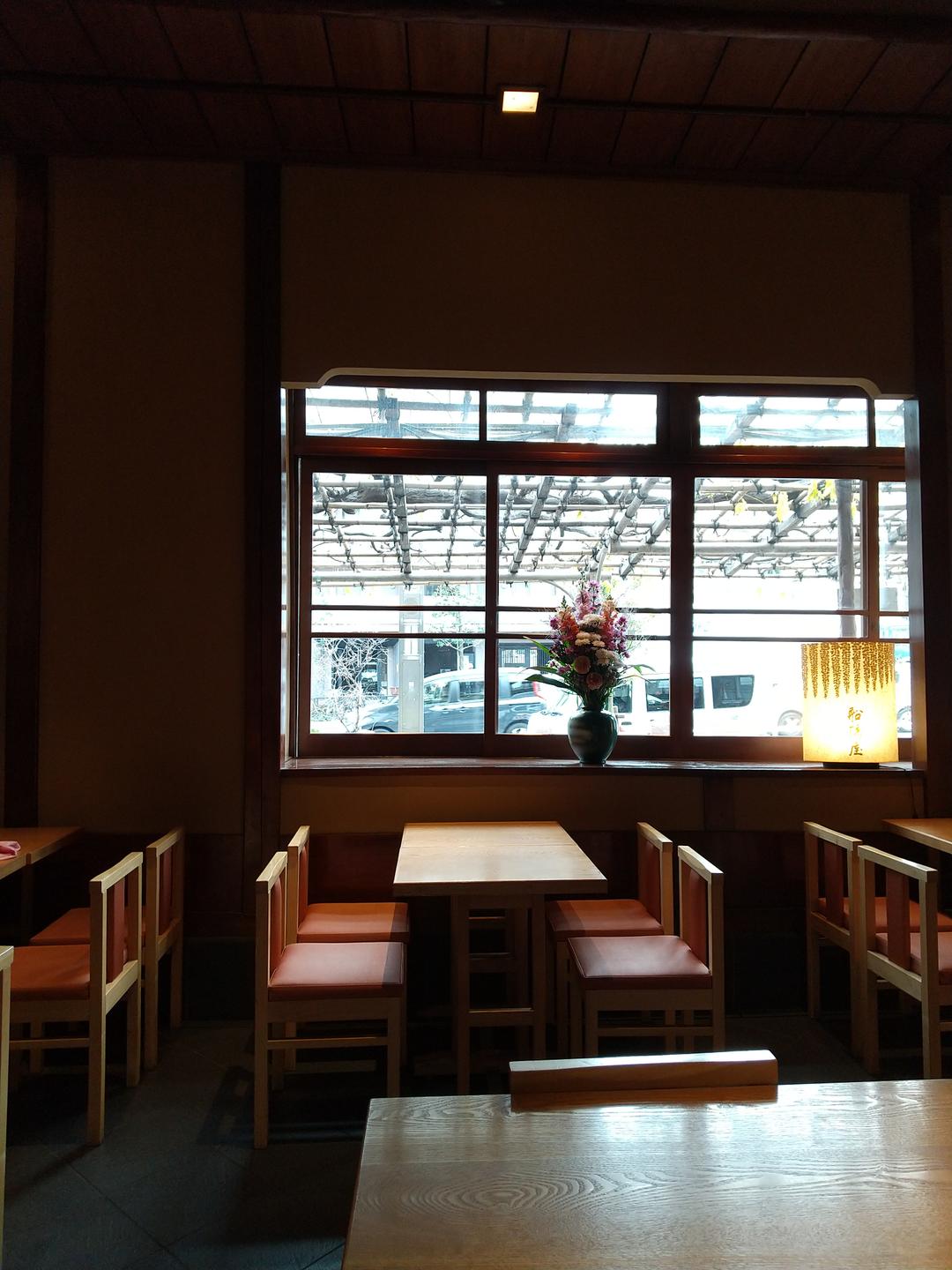
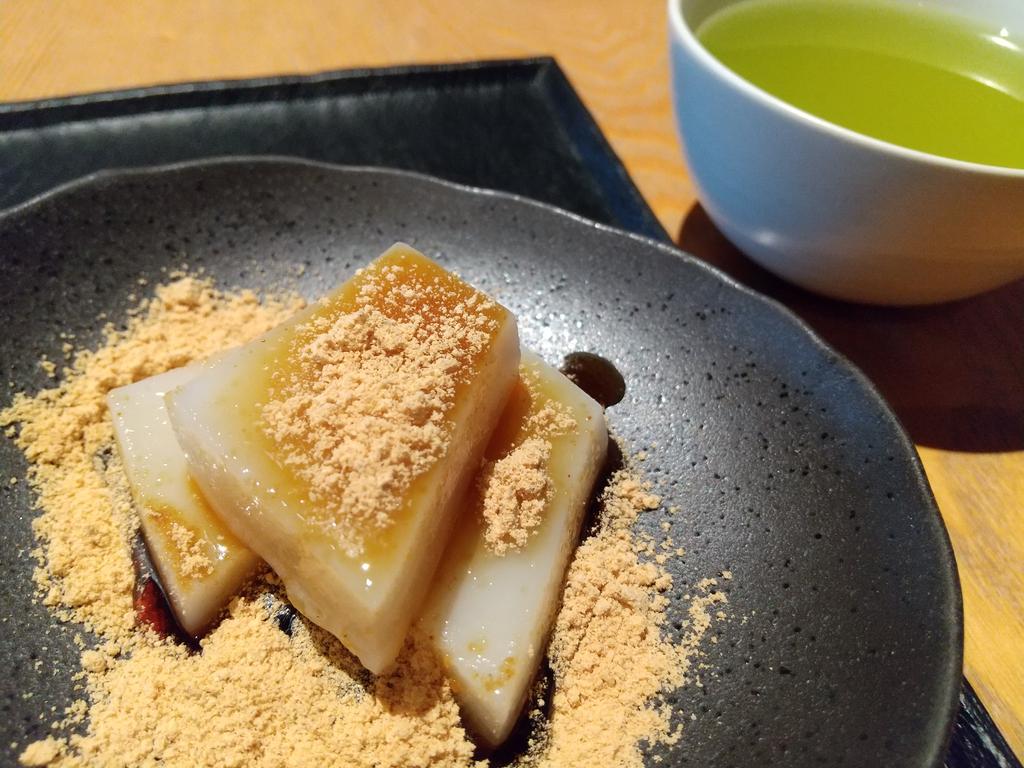
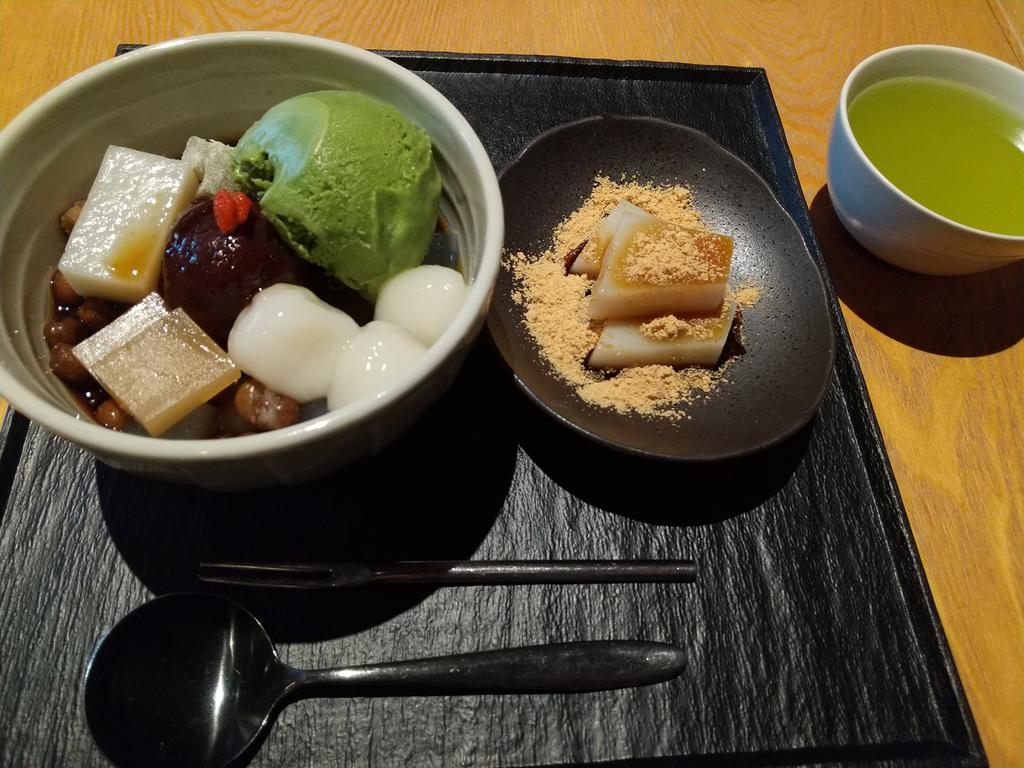
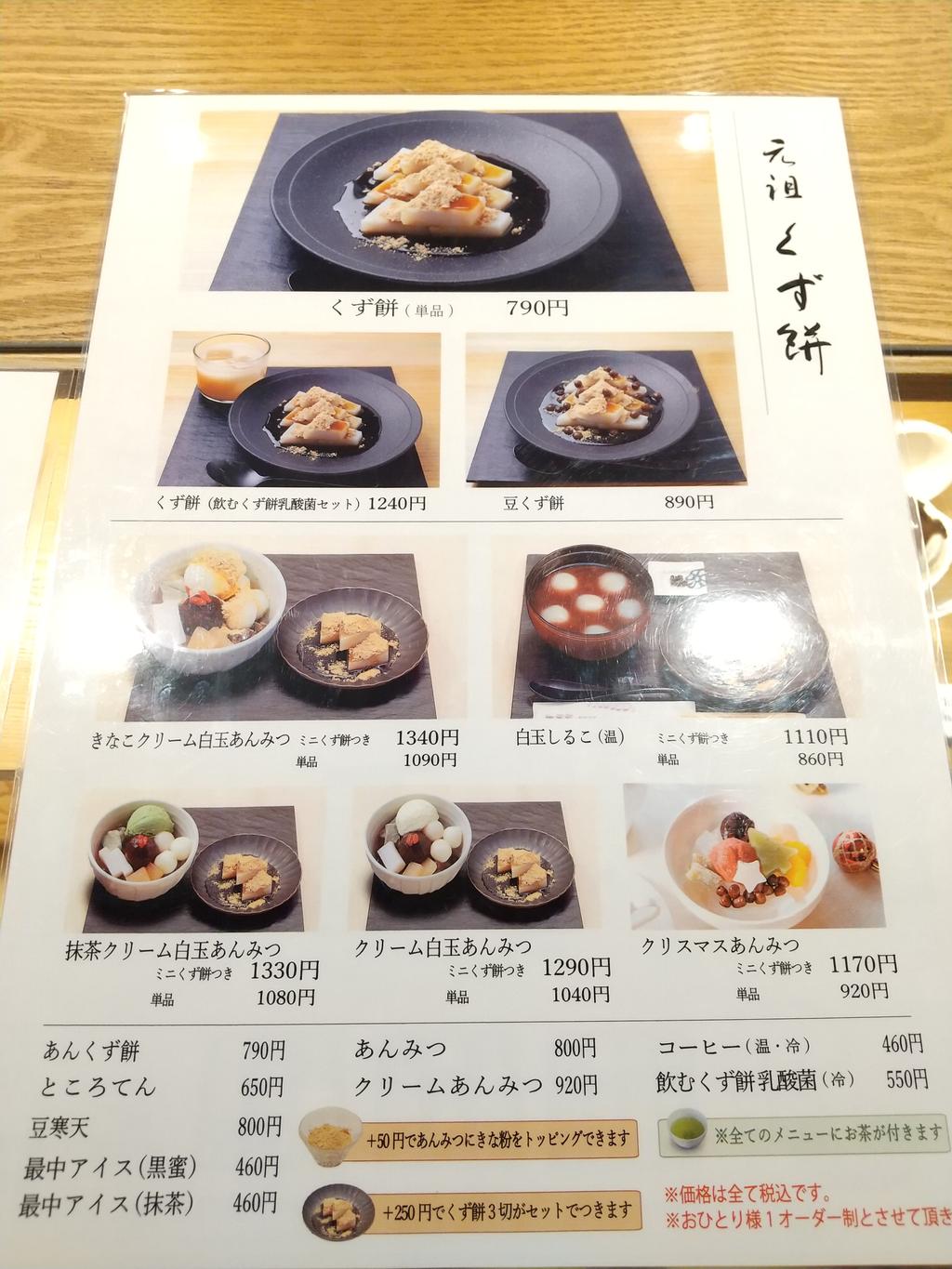
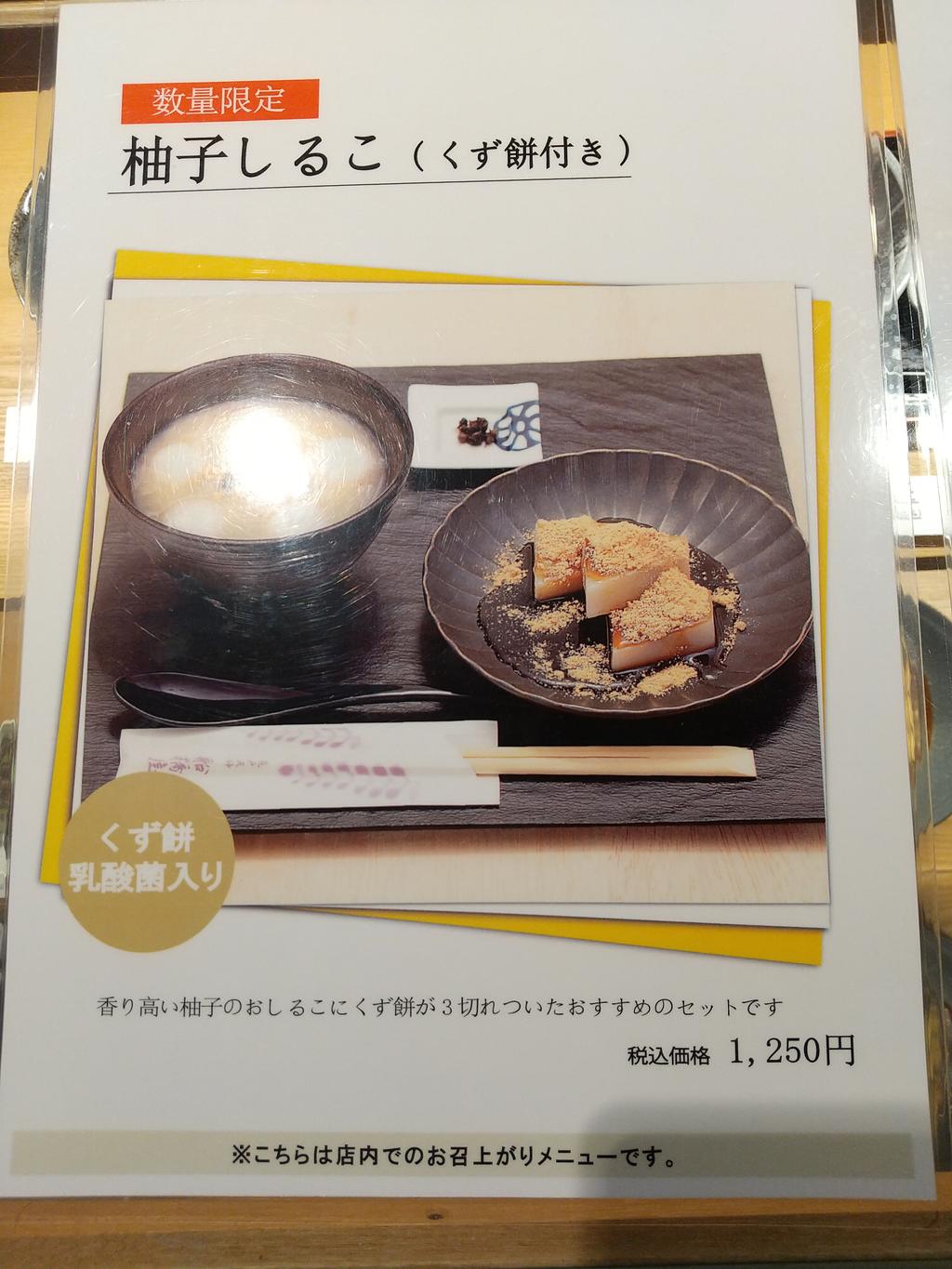
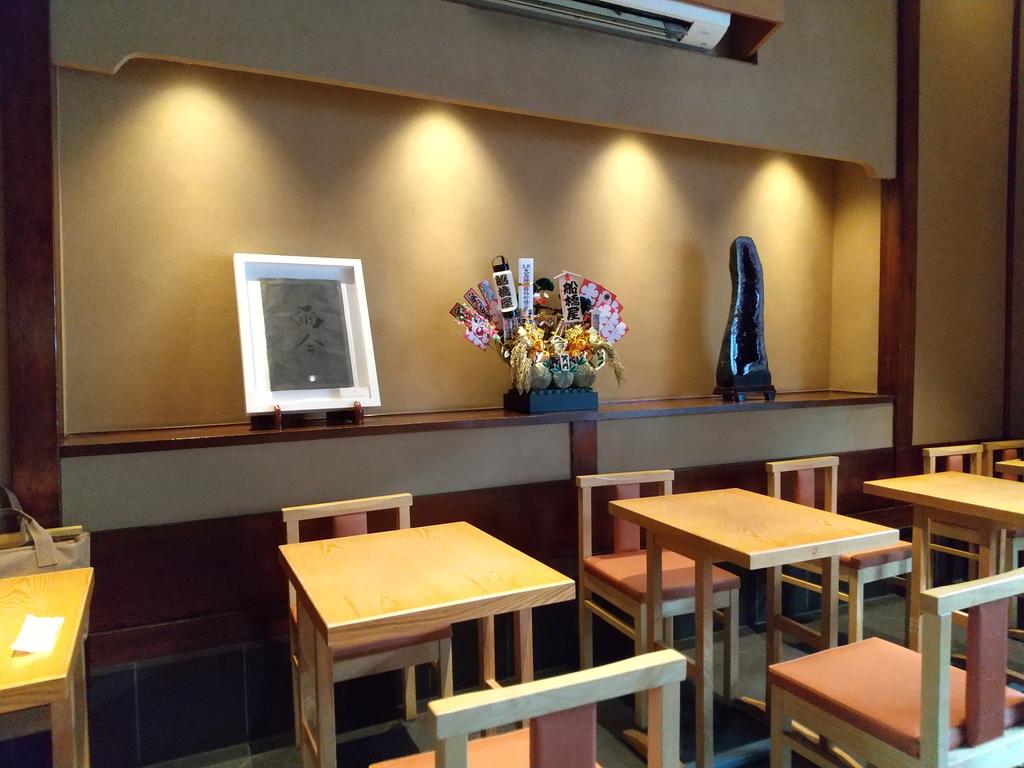
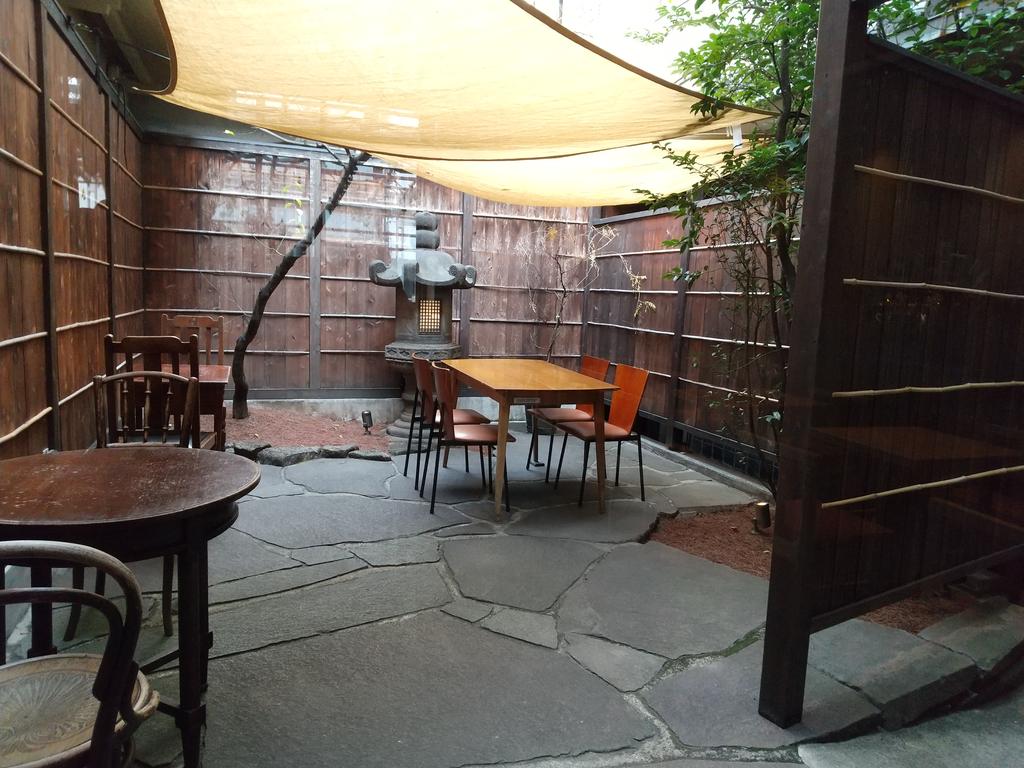
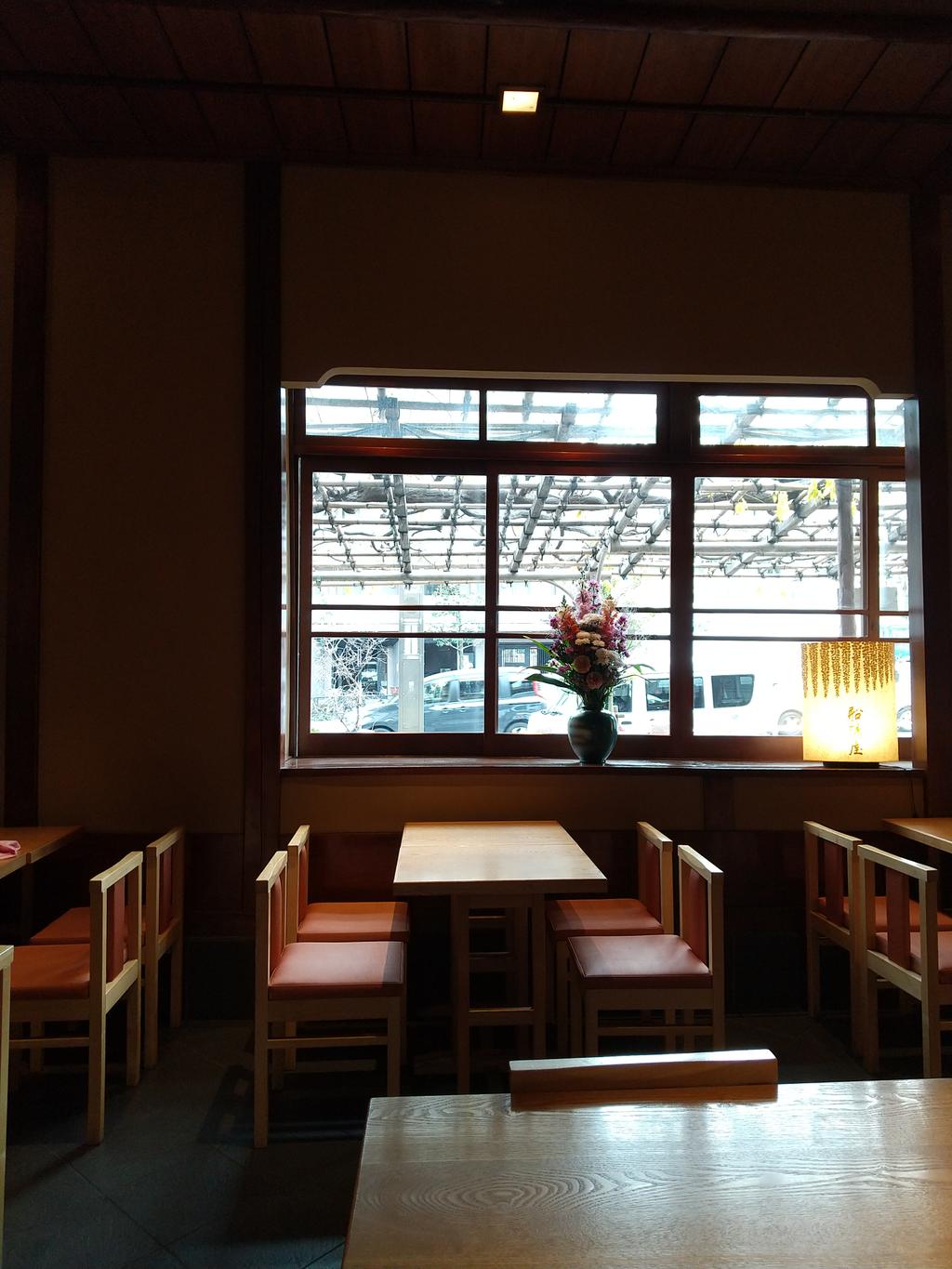
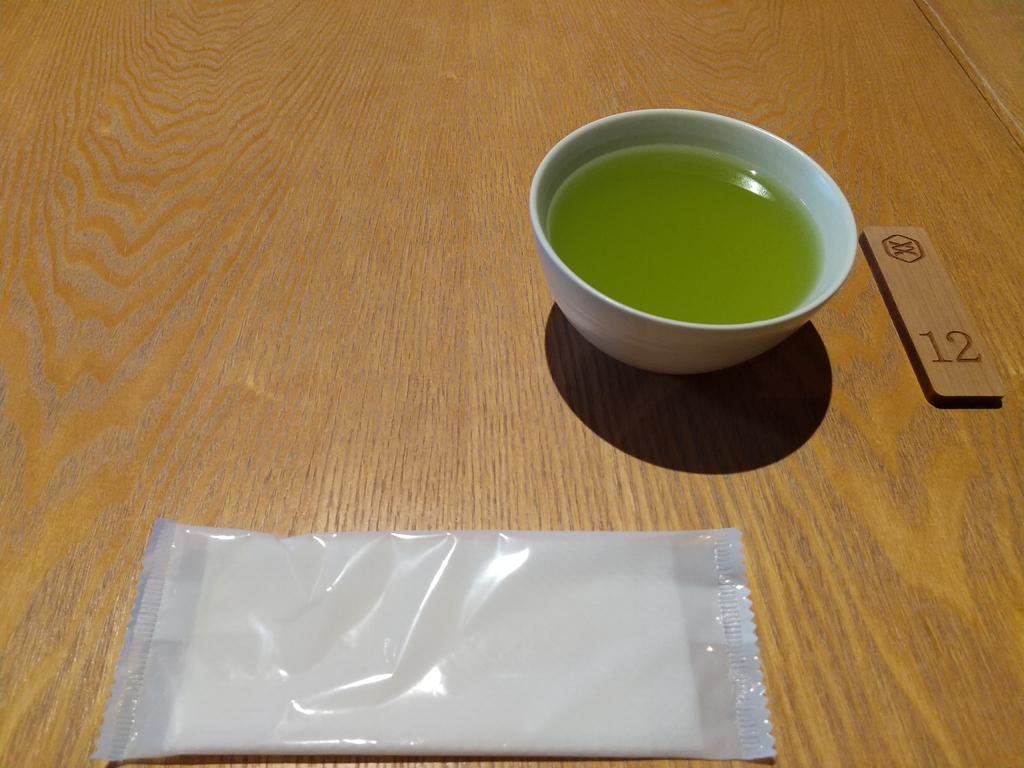
The signature is the Tokyo specialty "kuzu-mochi," polished for more than 220 years since the shop's founding in the second year of the Bunka era (1805). Funabashiya's kuzu-mochi is Japan's only fermented Japanese sweet, made by steaming wheat starch that has been fermented for 450 days (one year and three months), with a distinctive chewy texture and a slight, refreshing acidity as hallmarks. Enjoyed in the traditional way with kinako (toasted soybean flour) and kuromitsu (black sugar syrup), it is an item that symbolizes Tokyo shitamachi wagashi culture. Shiratama zenzai, seasonal Japanese sweets (spring sakura mochi, summer kakigori shaved ice, autumn kuri-zenzai, winter oshiruko), and Japanese tea (sencha, matcha, hojicha) are also offered. The shop is in a convenient location along the approach to Kameido Tenjin Shrine for worshippers, with terrace seating overlooking a Japanese garden inside — a relaxed space design. The parent "Funabashiya" was founded in Kameido in 1805 as a Tokyo Japanese-sweets shop with more than 220 years of history, and now operates around the Kameido Tenjinmae main shop with branches in Tokyo and the Kanto region, as a brand representing Tokyo shitamachi wagashi culture. Tourists, local repeat customers, and worshippers have favored it for many years.
AI generated · Based on public information