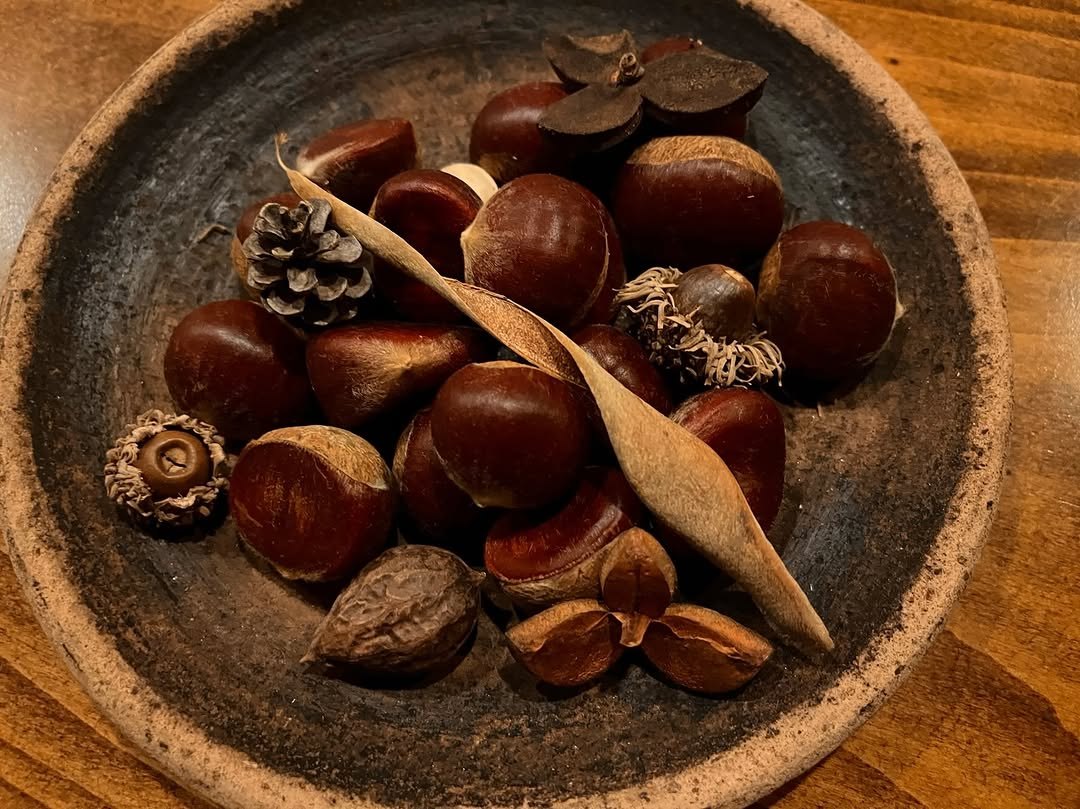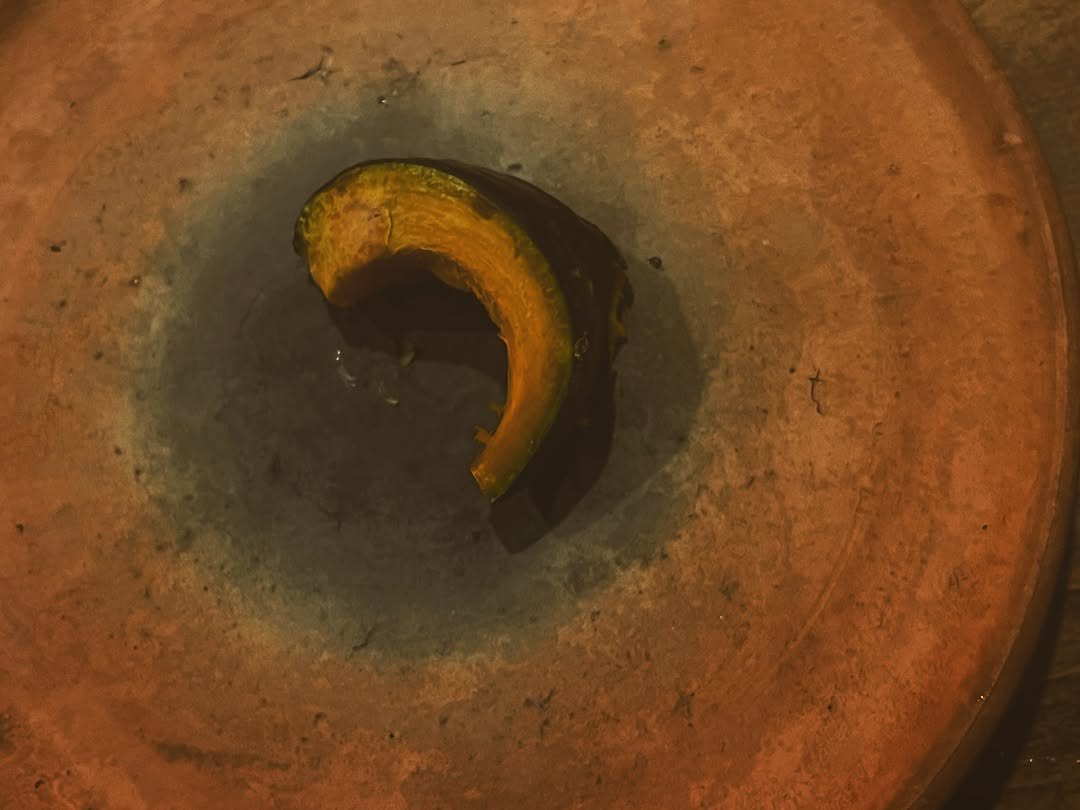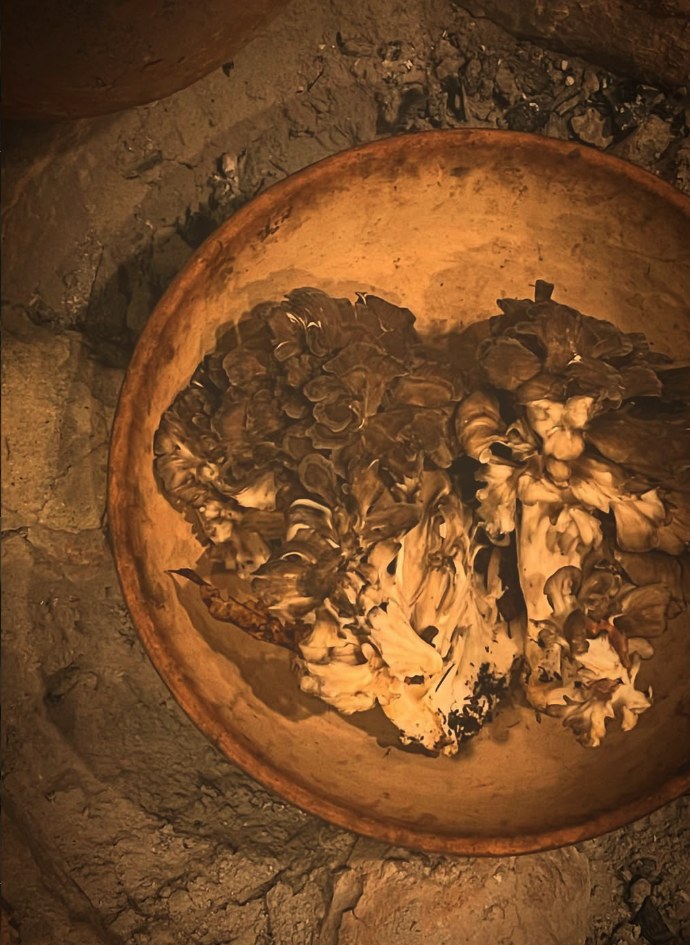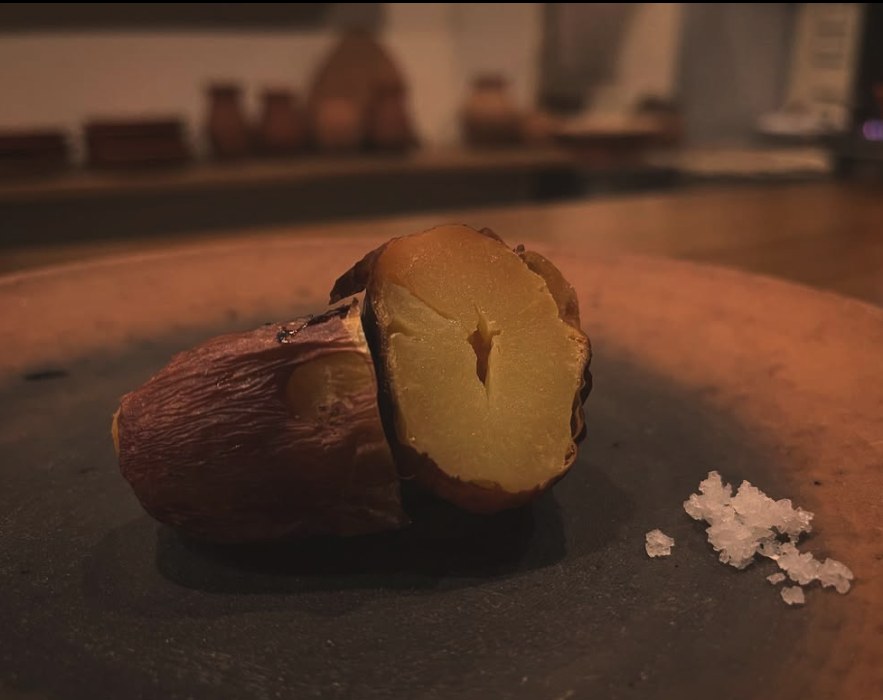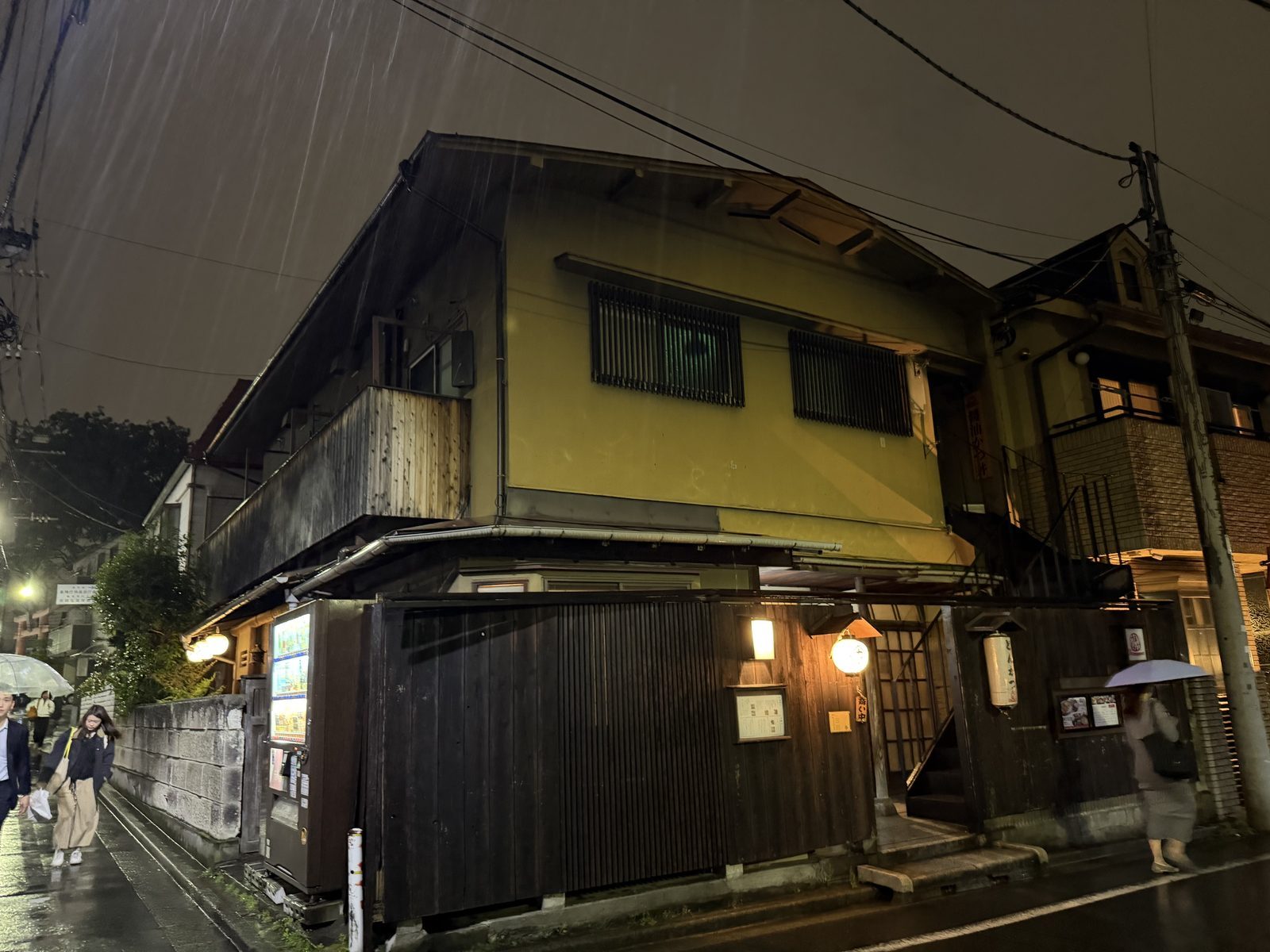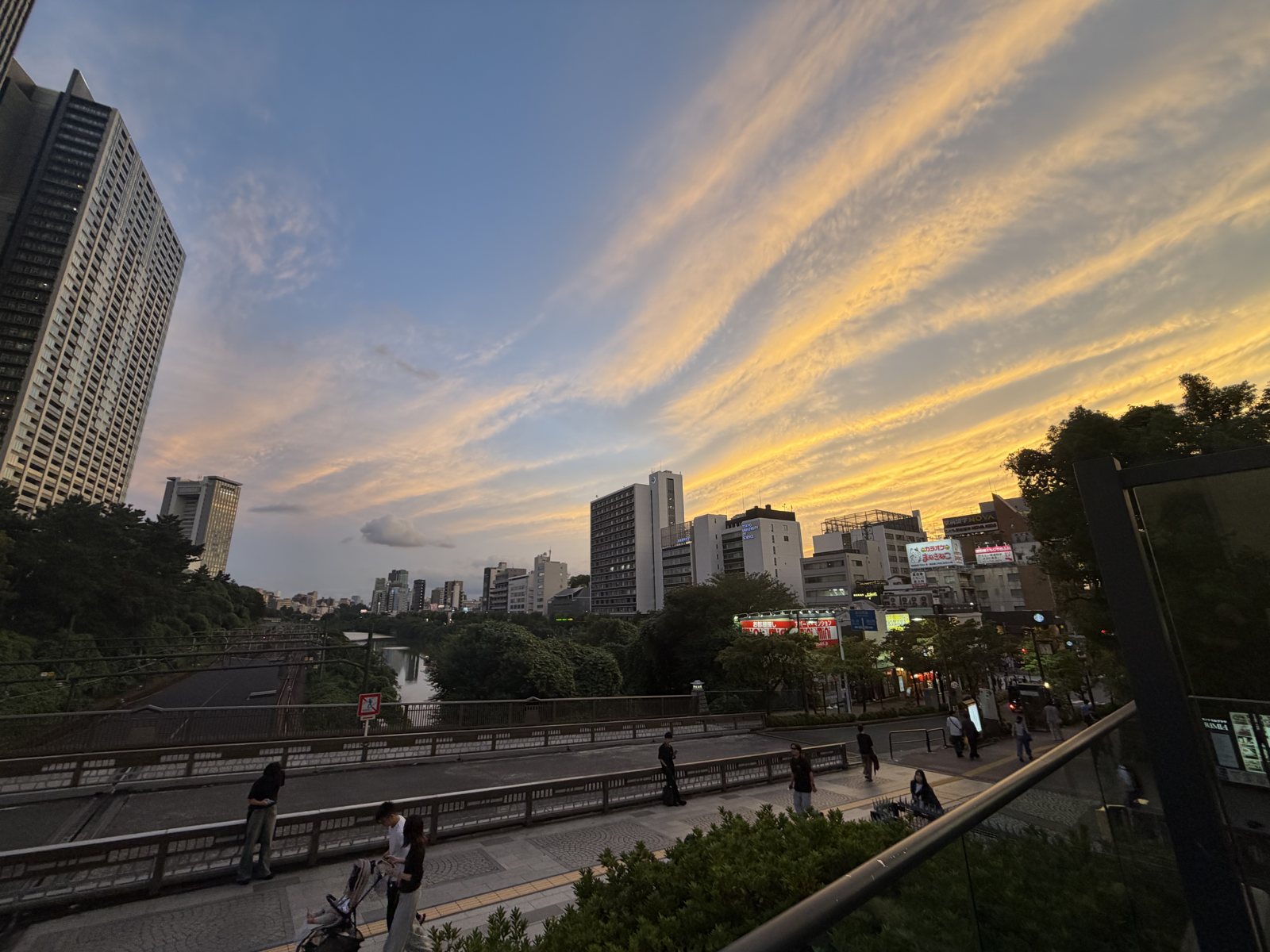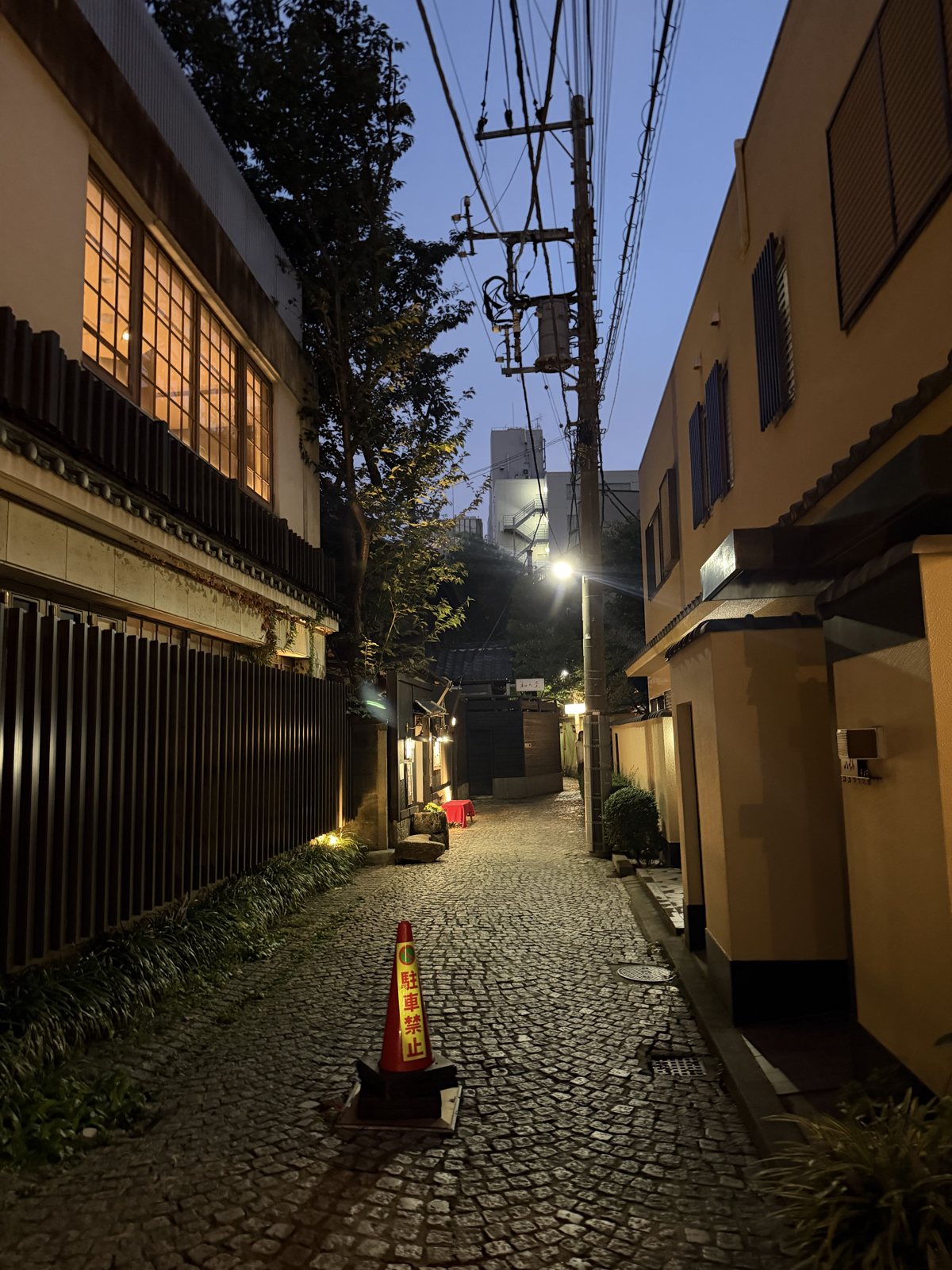
— Clay, fire, salt, and a quiet lane at dusk. —
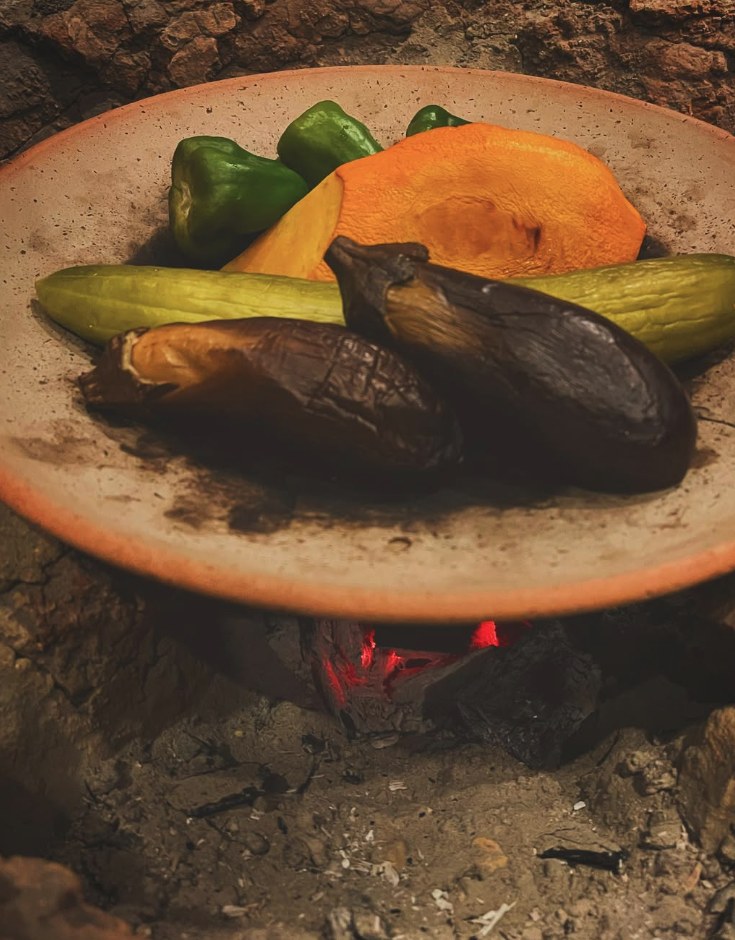
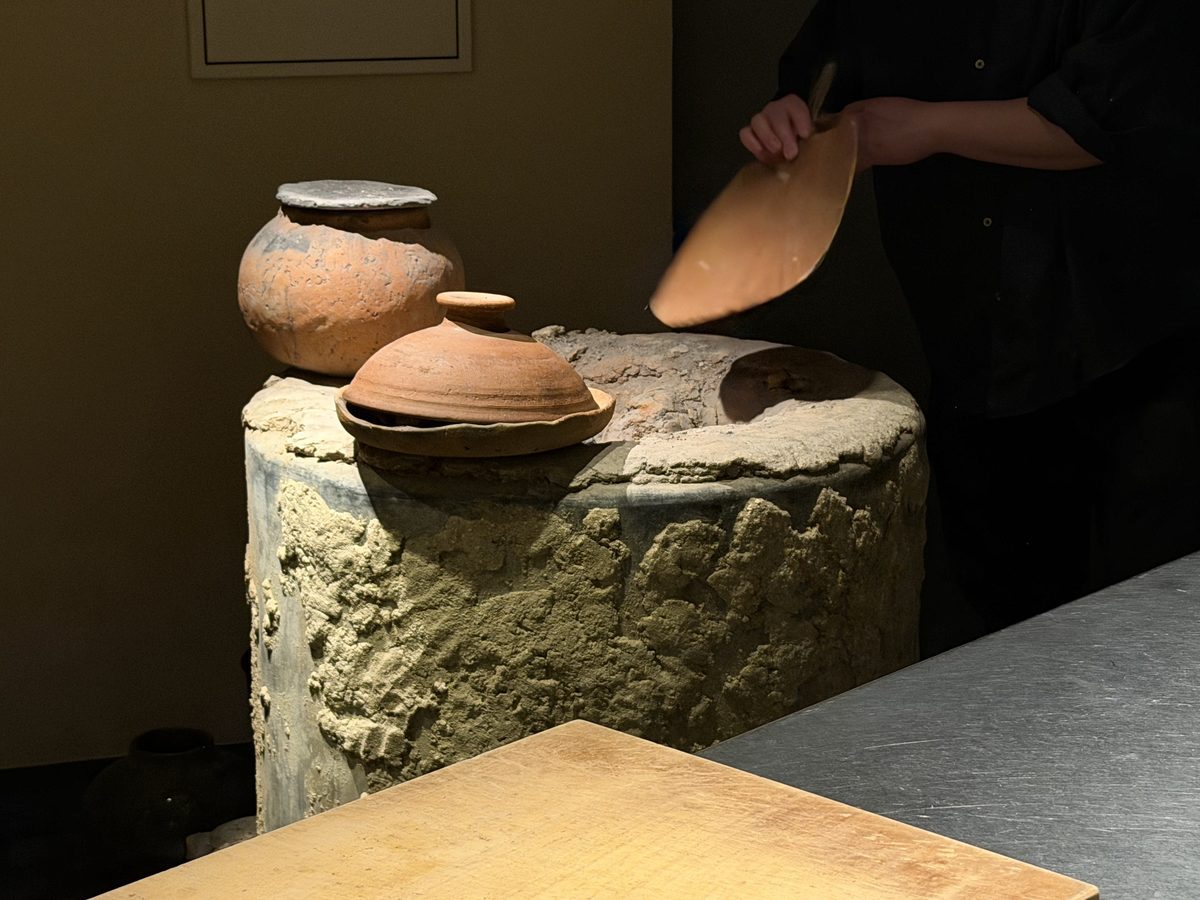
Clay pots. Charcoal.
Four hours over the fire.
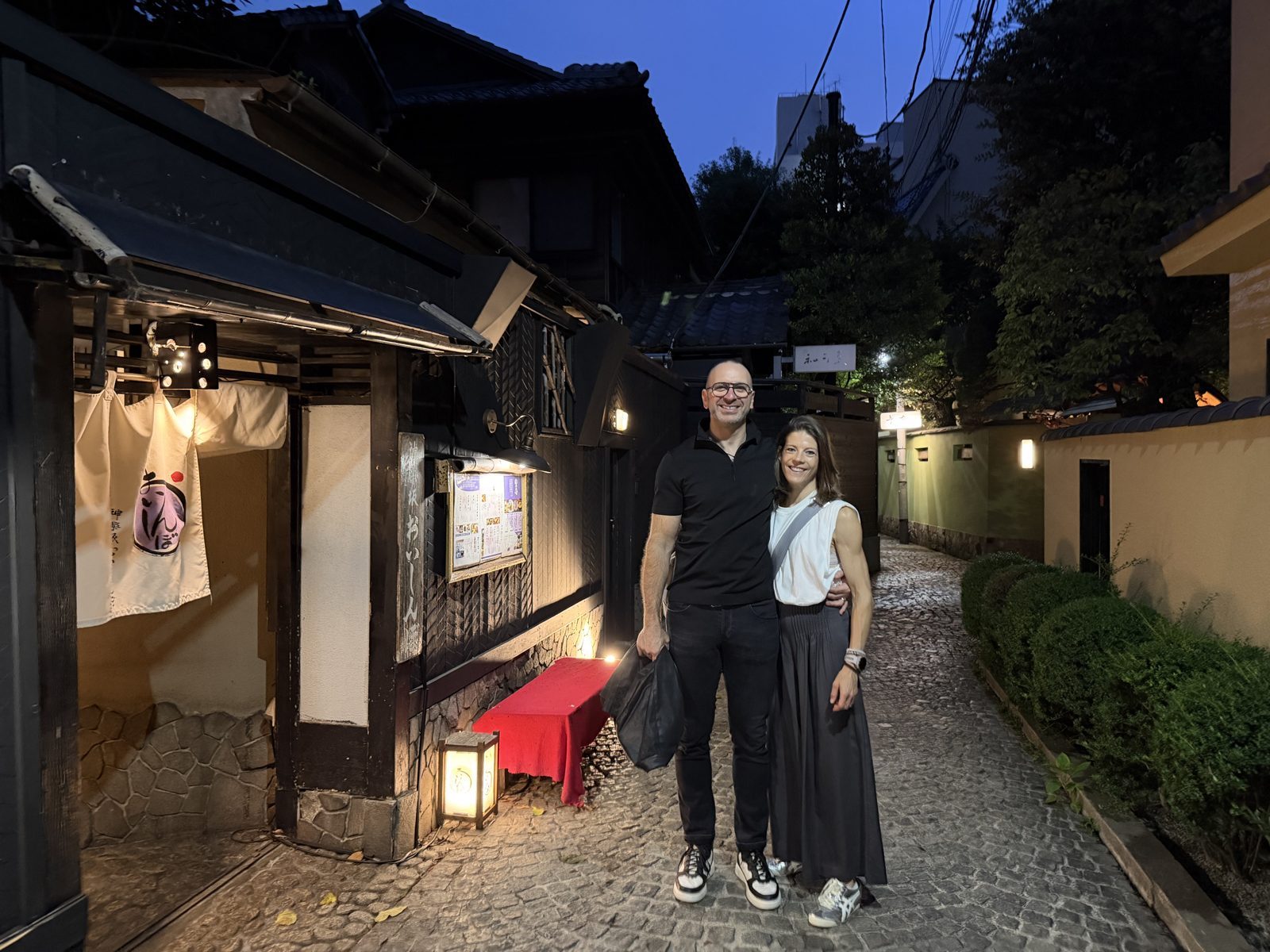
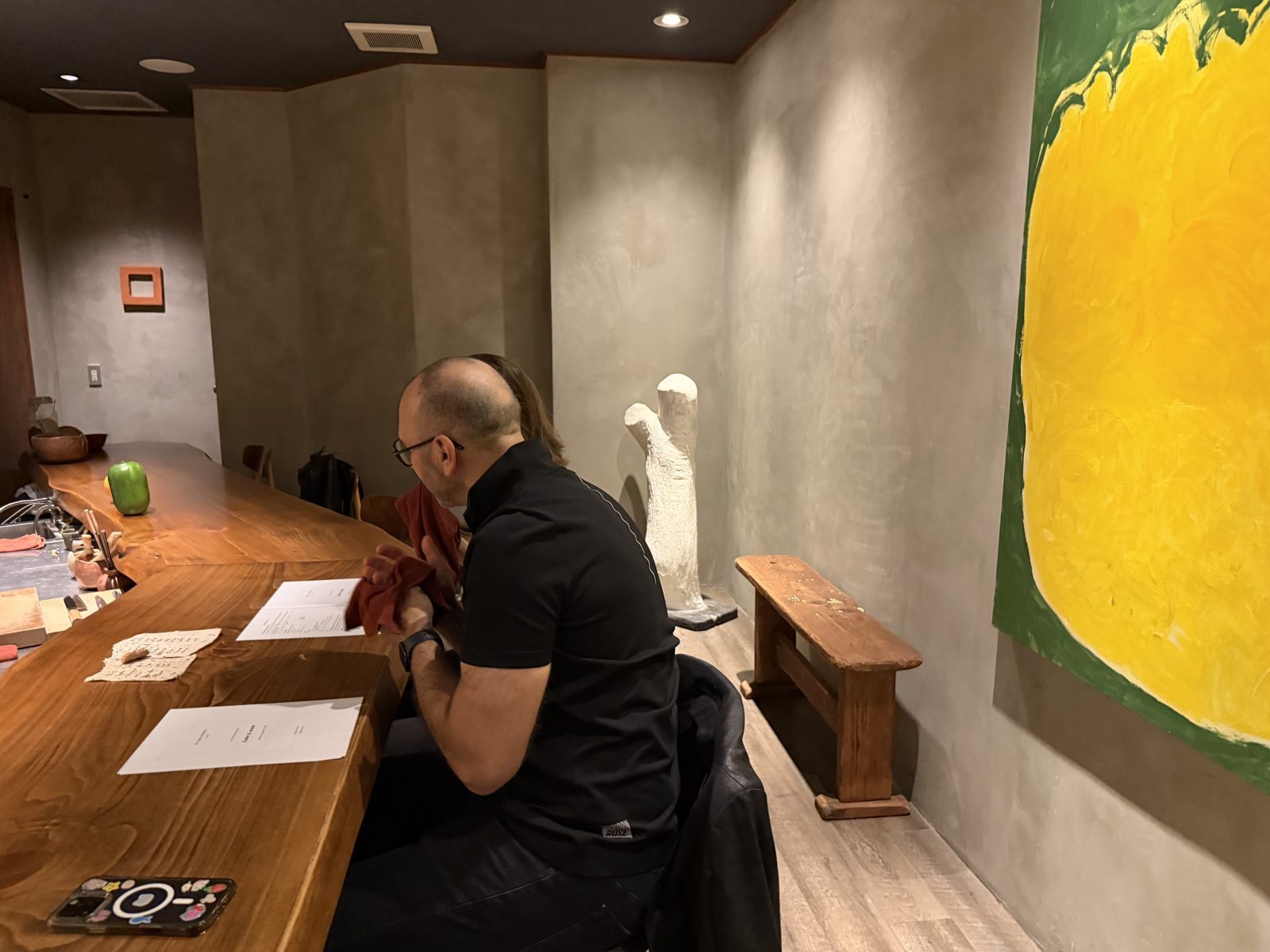
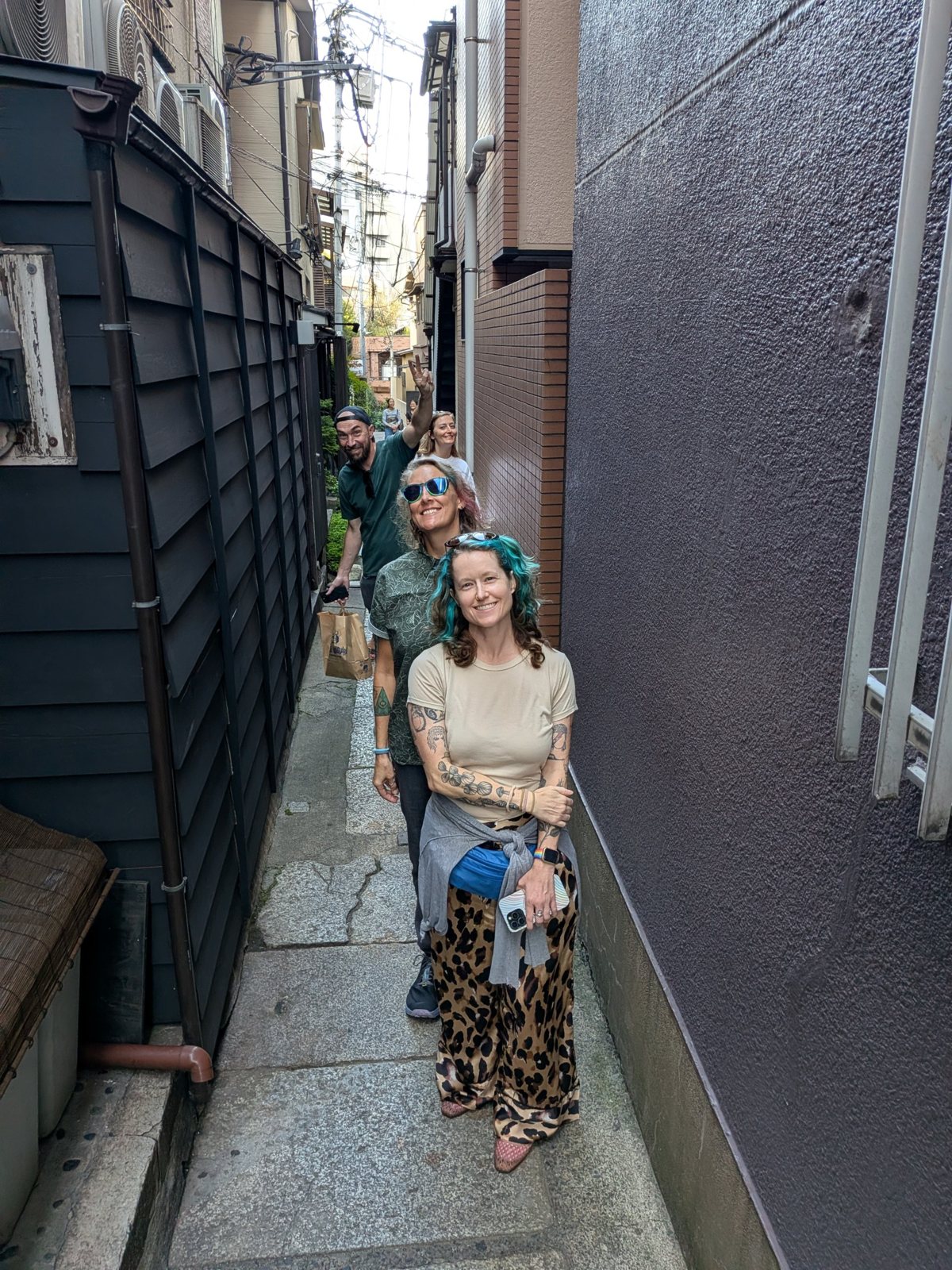
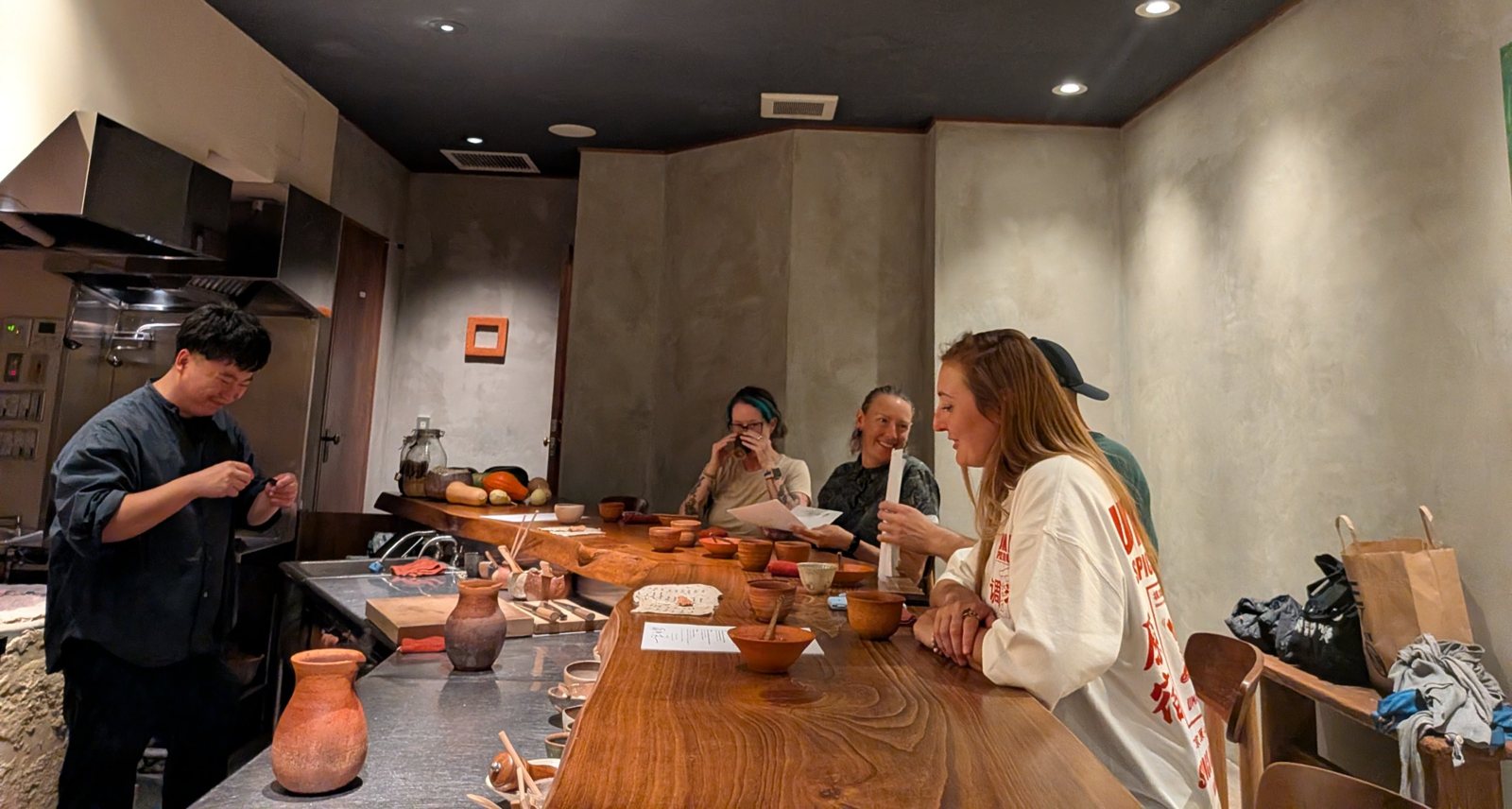
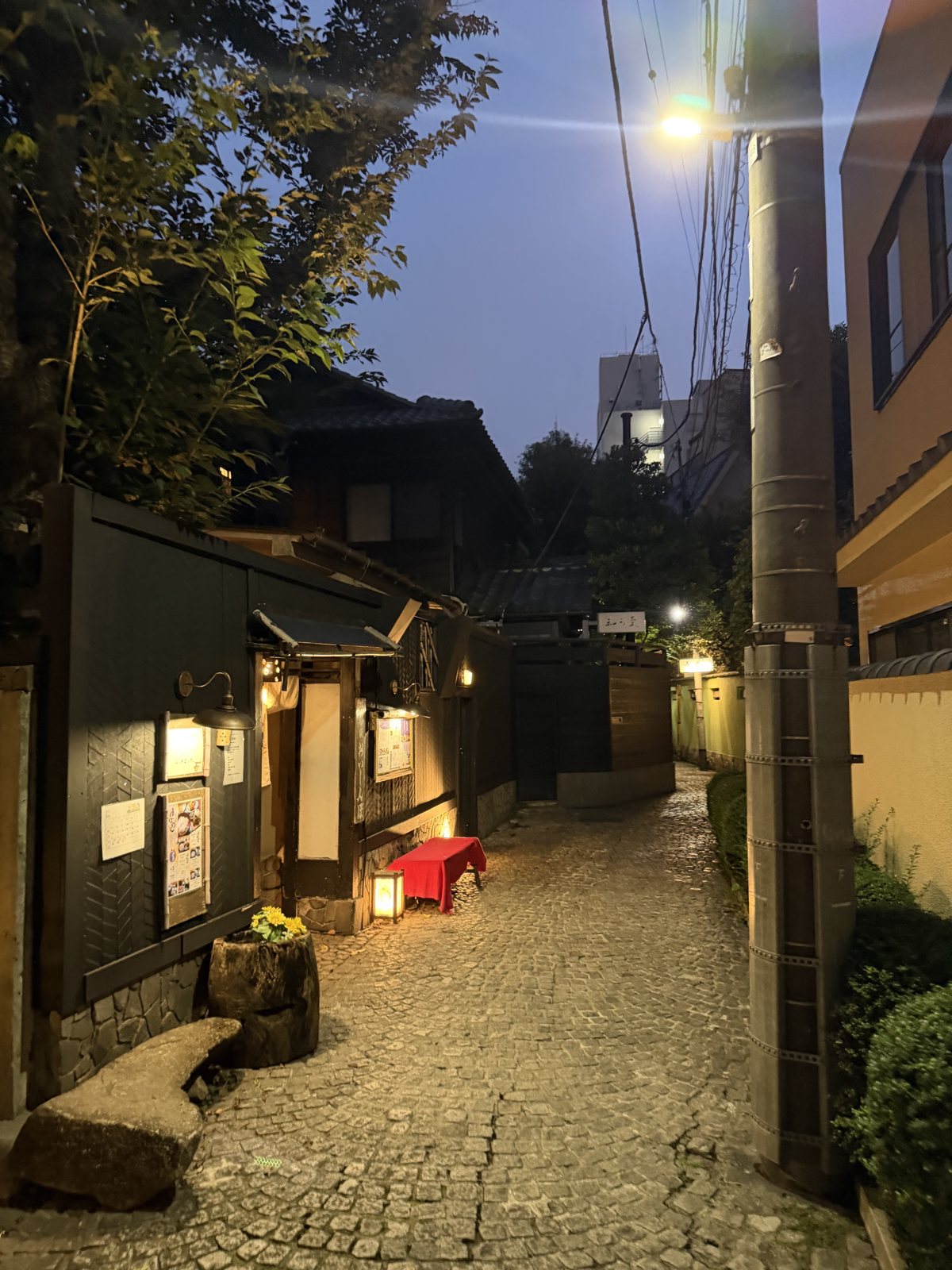
A quiet door at the end of a Kagurazaka alley. Eight seats at a counter. Reservation only.
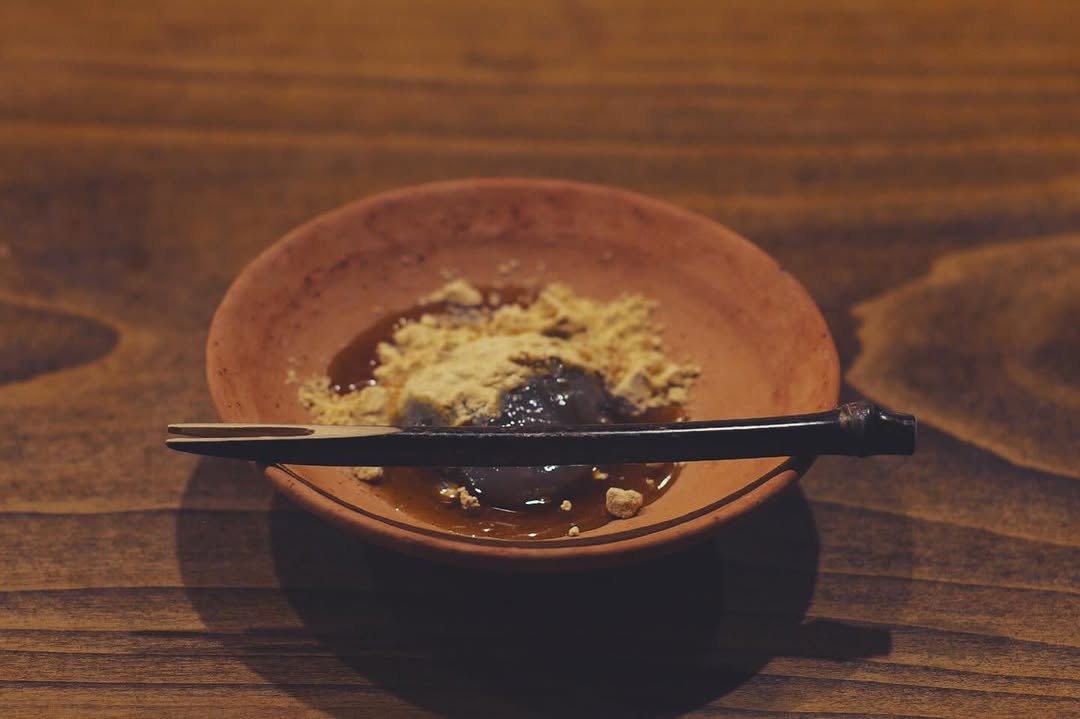
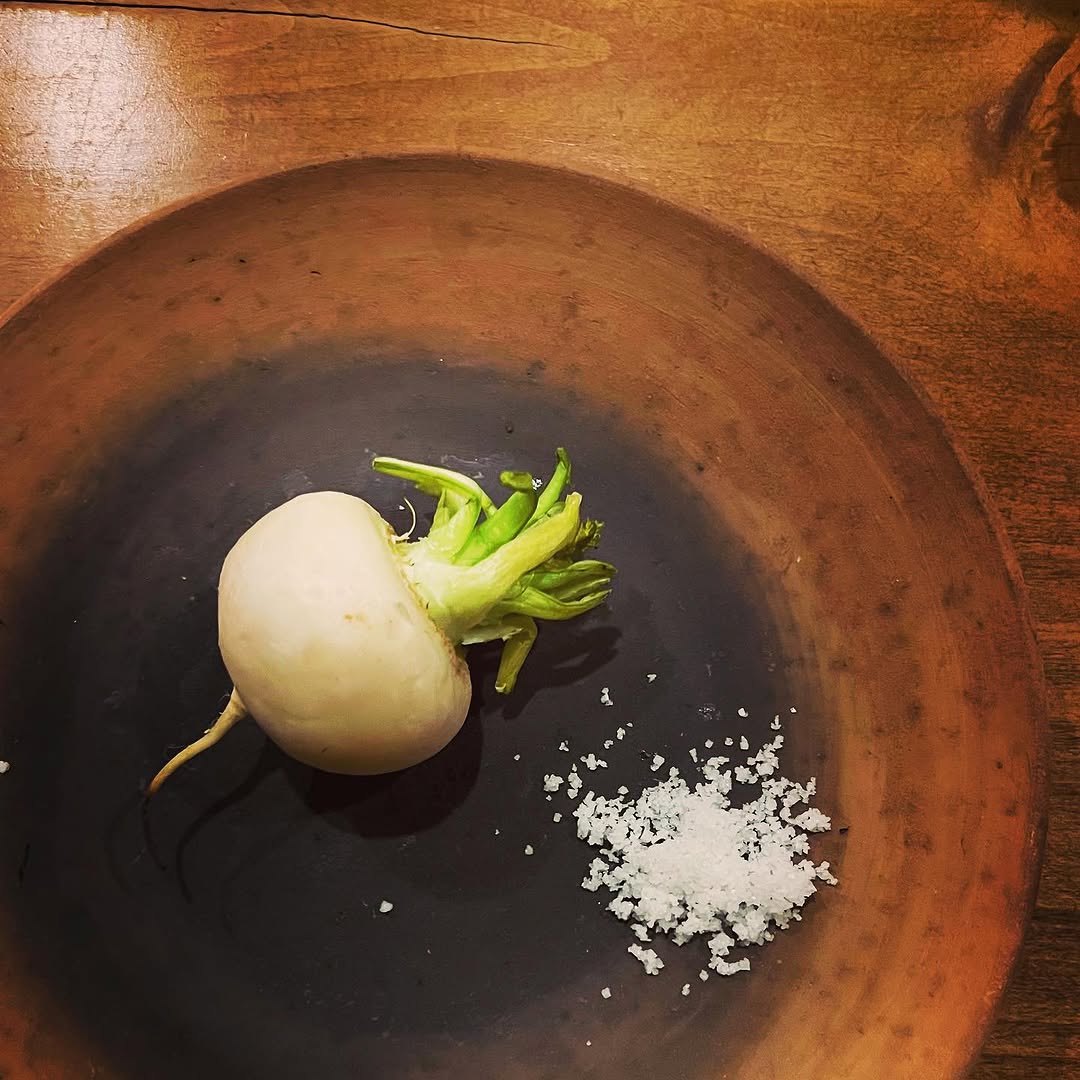
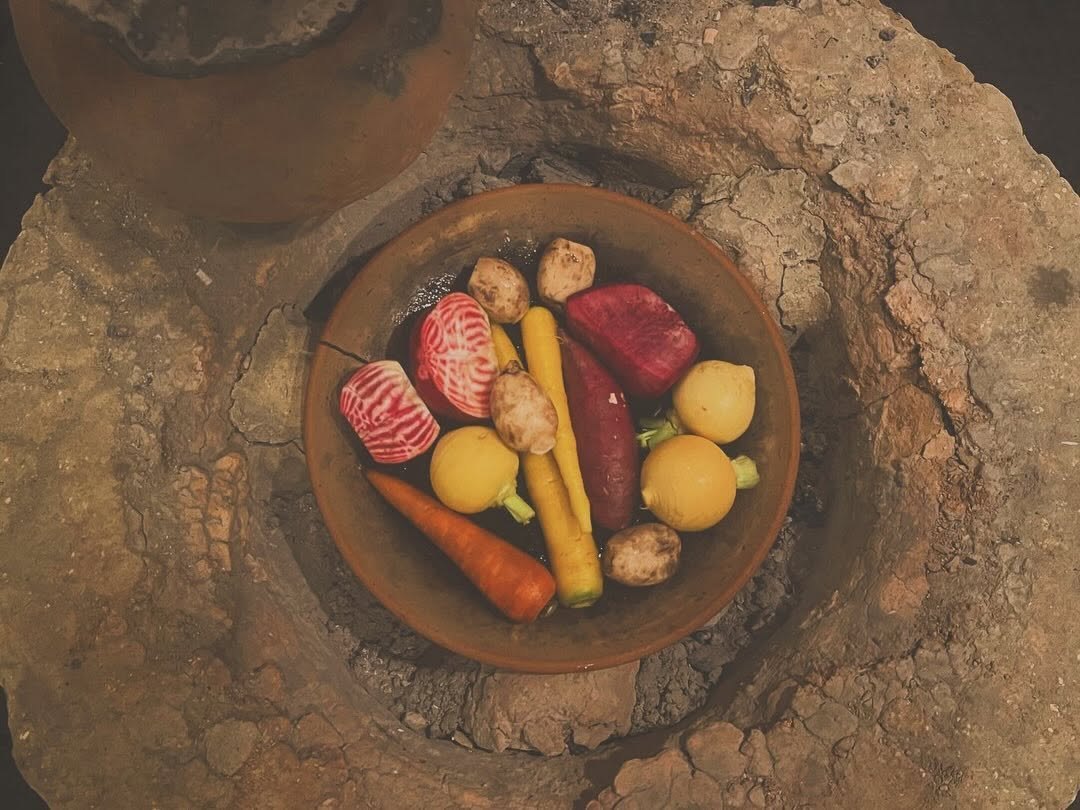
The chef cooks in clay pots, set over charcoal for four hours. No oil. No stock. No shortcuts. The fire and clay do the cooking — the seasoning is yours: salt and miso, placed beside you, added by your hand alone. The vegetables move from clay to clay, then to you.
It is one of the simplest cuisines in Tokyo. That is exactly why it can hold the most complex dietary needs.
Two crafts meet at this counter. The chef's: clay, fire and time. Ours: your dietary needs — every question asked, every line drawn, every step from the station to the door. Together, we made a course that exists only for WE TABLE evenings.
Our philosophyNot a compromise. A discovery.
Some restaurants are built for people with dietary restrictions. They are designed from the start to welcome vegans, vegetarians, and the allergic. They have English menus. They are kind. They are useful. We send guests to them often.
What we offer is different.
A chef spends years narrowing his craft. He removes what does not belong — the butter, the stock, the sauce — until only what the ingredient asks for remains. By the end of this work, almost by accident, the food he has arrived at can be eaten by almost anyone.
This is what we look for. Not a kitchen that accommodates you. A kitchen that, by going its own way, simply opens to you.
He began with a single discipline: the clay and the vegetables drawn from the same soil. Over the years, the circle has widened — clay from Saitama, vegetables from Chiba — but never beyond the country itself. Japanese earth. Japanese roots.
He kept taking things away. What remained was salt and miso. Nothing else. No oil. No stock. No intervention. Just the ingredient, the fire, and time.
He did not set out to cook for vegans, or for people with allergies. But his method made it possible. The opening was not the goal. It was the result.
What we offer is the Japan most visitors will never see. A chef who has never sought attention. An eight-seat counter, and a way of eating that even most Tokyoites have never imagined.
This is a place where Japan is still quietly being itself.
A design choiceDuring the meal, your guide steps away.
This is by design.
The dim counter, the unhurried pace, the chef's hands, the steam rising from the clay — there is a quiet in this room that belongs to you and your companion. A guide narrating in English carries it away.
When we are with you — we meet you at the station, walk you through the alleys, and confirm your dietary needs with the chef, in Japanese, at the door.
When we step away — the meal becomes yours. In place of our voice, we leave a Menu Card in English, written for this night alone — yours to read at your own pace.
Your evening. Your conversation. Your memory.
Why only WE TABLEWhat it takes to open this door.
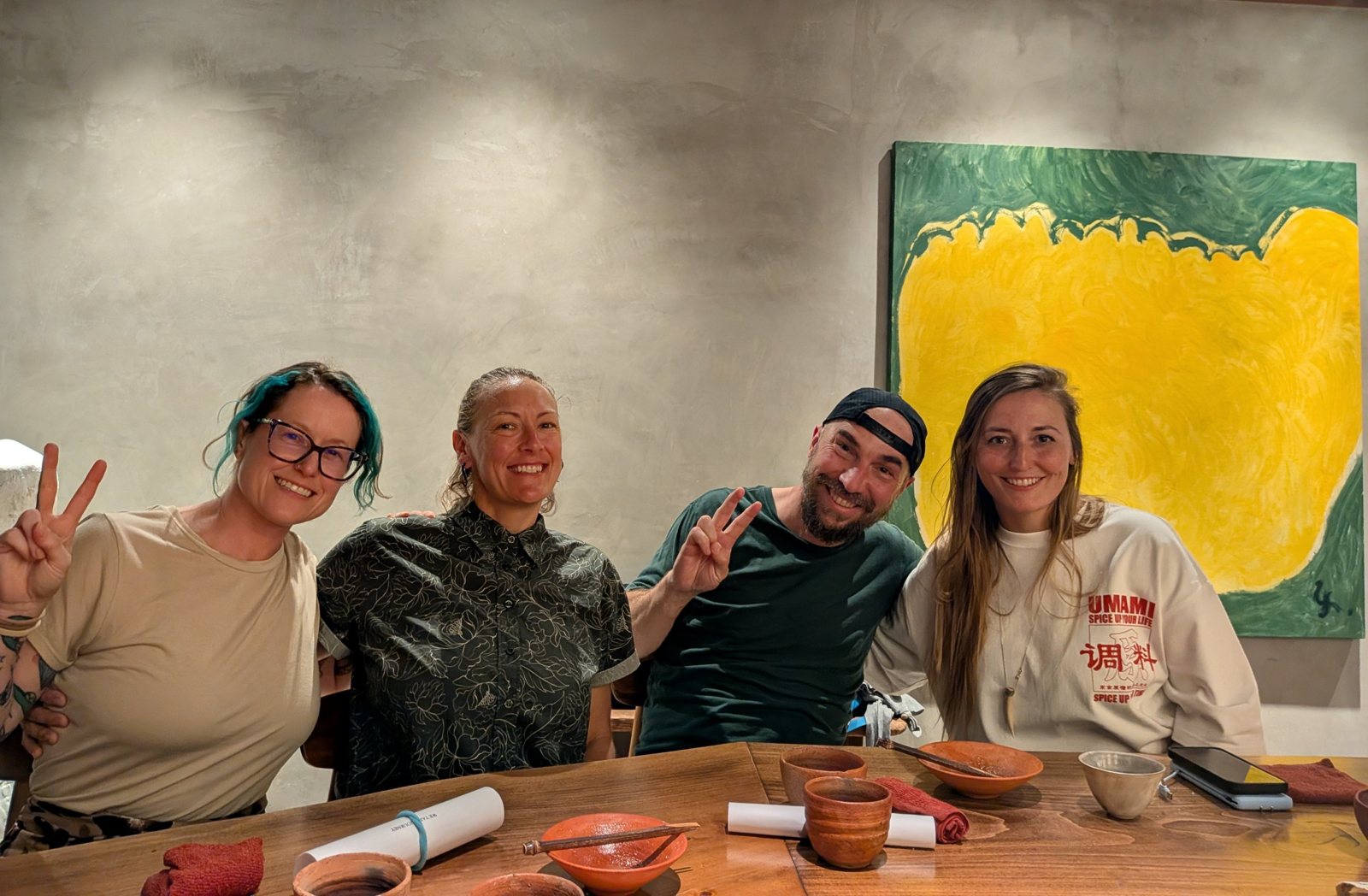
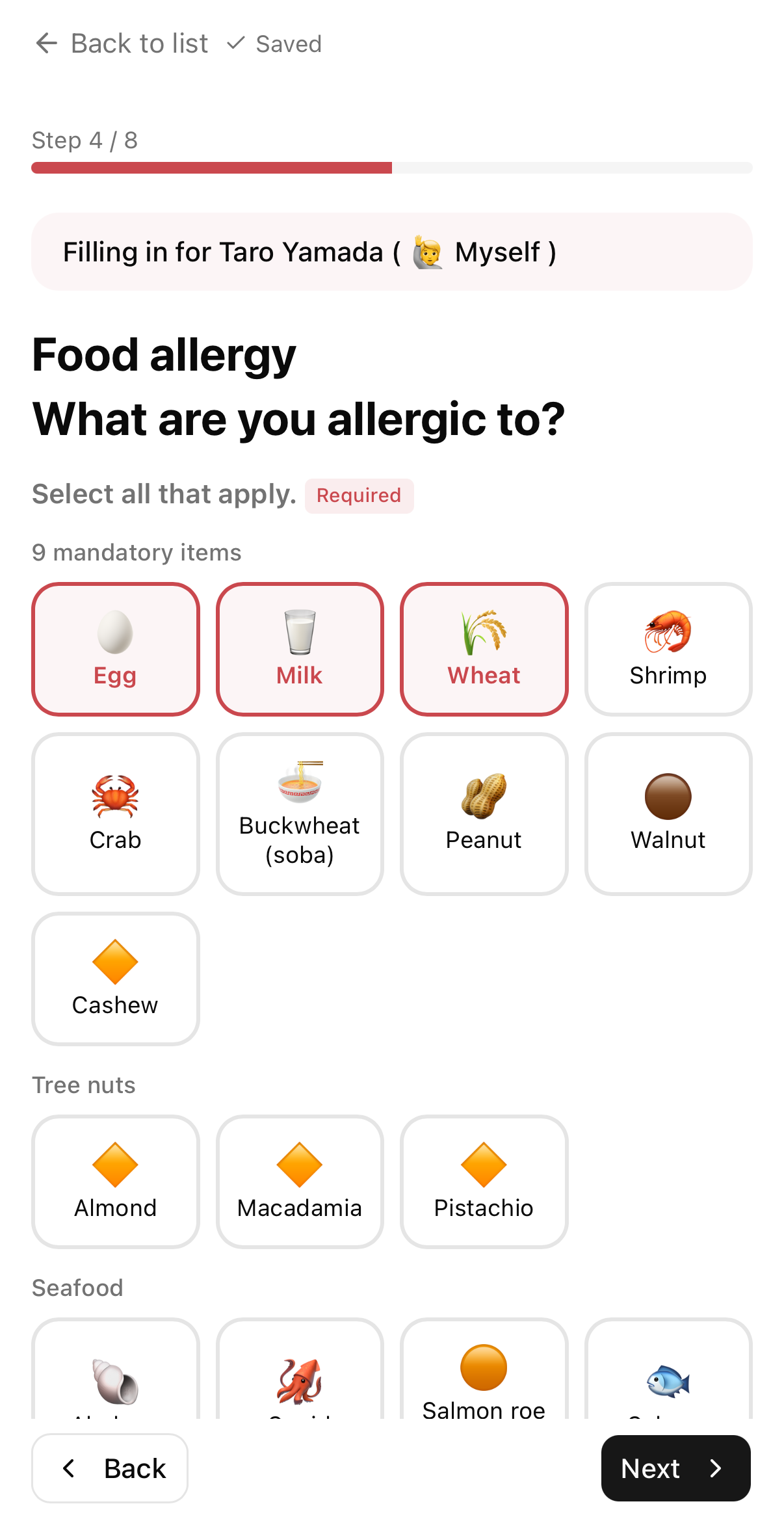
This counter has eight seats, down a quiet Kagurazaka alley. The chef is a master of his cooking — not a specialist in allergies or celiac disease. No chef should have to be. Which restriction is an allergy and which an intolerance, how strict each one is, what cross-contact means for you: that is our work. We work it through with him in Japanese, long before you arrive. At the counter, he talks with you in English as he cooks.
To eat here, as a visitor to Japan, is not a matter of finding the restaurant. It is a matter of being welcomed in.
From an archive of over 650 Tokyo restaurants, we chose this counter. Not because it is the easiest to work with. Because it is the most uncompromising.
When we call the chef, it is not to read out a list. It is to design your evening with him — each restriction, each ingredient, each substitution, thought through inside the logic of his cooking.
There is, honestly, no other way to have this dinner.
If your diet has ever made you feel like an apology —
we want to offer you the opposite.