The Japan Food Passport is a tool for communicating your dietary needs accurately in Japanese. It does not guarantee your safety — always confirm directly with the restaurant before you order.
All seven categories that are hardest to communicate accurately in Japanese restaurants.
All 29 allergens covered by Japanese labeling law — egg, milk, wheat, peanuts, tree nuts, shellfish, buckwheat and more — plus free entry for anything not on the list. Already updated for cashew, made a mandatory-label allergen in April 2026. Your passport distinguishes "no cross-contact (trace amounts matter)" from "must not be in the dish."
Beyond soy sauce, miso and mirin — the seasonings that make washoku hard to navigate — your passport ships with a hidden barley & wheat warning list: barley tea, grain vinegar, mizuame syrup, beer. It explains shared fryers and cookware cross-contact in words Japanese staff actually understand.
Lactose intolerance, FODMAP, gluten sensitivity, histamine intolerance and more — each communicated at the right level of caution, clearly distinguished from allergies.
From vegan and pescatarian to Taiwanese vegetarian and Jain practice. Set strict standards like honey or refined sugar. Includes warnings for bonito and sardine dashi — hidden in almost every washoku dish.
Shojin ryori and Buddhist dietary practice, including the five pungent roots (onion, garlic, chives, leek, rakkyo) and the level of strictness you keep. Your passport states it in Japanese that temple and restaurant kitchens recognize — and flags bonito and sardine dashi, hidden in almost every washoku dish.
Pork-derived ingredients and alcoholic drinks, of course — but also fine-grained settings for mirin and cooking sake, shared cookware, and more. A dedicated display mode tells restaurants, in Japanese, if you dine only at halal-certified establishments.
Diabetes, low-carb, macrobiotic, Sikh practice — anything that doesn't fit the categories above can be entered freely. What you write appears on your passport exactly as written, marked ⛔.
This is the passport you'll carry
Tap the tabs below to see examples for other dietary needs.
From answers to your table
Answer
Answer questions about your dietary needs. Done in as little as 60 seconds.
Generate
Your passport is generated instantly — in large, readable Japanese that staff understand within seconds.
Talk
Hand your phone to the staff. What matters becomes clear at a glance — then talk it through and choose a dish you feel good about.
What we want you to know before you create one
Japan Food Passport is built and run by WE TABLE, a Tokyo-based food diversity platform.
Lived experience × professional expertise
Built by people who know dietary restrictions firsthand, working with specialists in food labeling and nutrition. The passport reflects both: the details only someone who lives with it would notice, and the scientific and legal grounding to back them up.
Founded WE TABLE after his son was diagnosed with a severe food allergy. As a parent in an allergy family, he knows the anxiety of eating out firsthand. Over a decade of experience in brand strategy and service design.
A Japanese registered dietitian with experience at a major Japanese food manufacturer, deeply versed in both dietary restrictions and Japanese food-labeling law.
WE TABLE CREW — a community across 7 countries
More than 40 members from Japan, Indonesia, Hong Kong, Sri Lanka, Bangladesh, Kazakhstan and Mongolia. As people who live with dietary restrictions themselves, they contribute restaurant reviews and verify menu information.
A team working on food diversity, in Tokyo
WE TABLE runs a food-diversity restaurant map of Tokyo. We have personally verified vegan, gluten-free, halal and allergy-friendly restaurants with our team and community — and that fieldwork shaped every detail of this passport.

How it works in real life
Open your passport and hand over your phone — that's it. The large Japanese ingredient list and red warnings tell staff what you need to avoid in seconds. From there, talk it through and choose a dish you feel good about.
Let a professional design the evening for you
The passport is a tool for telling restaurants yourself. But there’s also an experience where we handle everything — from choosing the restaurant to the night itself.
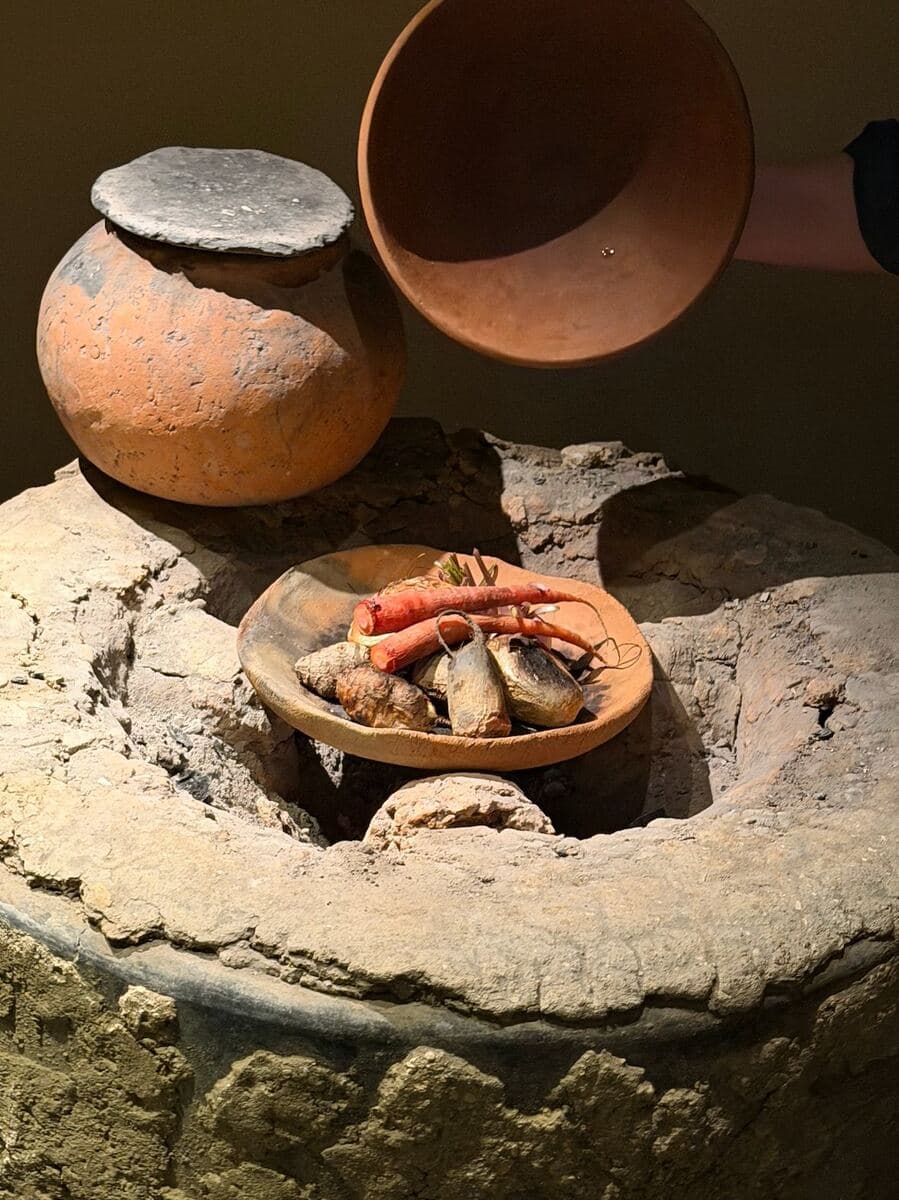
WE TABLE JOURNEY — Kagurazaka
旬の素材を、土器で味わう
A chef’s course, rebuilt for
celiac and severe allergies.
Eight seats. Planned around your restrictions before you arrive.
See the eveningFirst three tables · from ¥14,000
Frequently asked questions
A Tokyo-based food diversity platform