
Are Barley, Rye and Oats Gluten Free? Barley Tea in Japan
 Daiki Kobayashi · Founder of WE TABLE
Updated · 11 min read
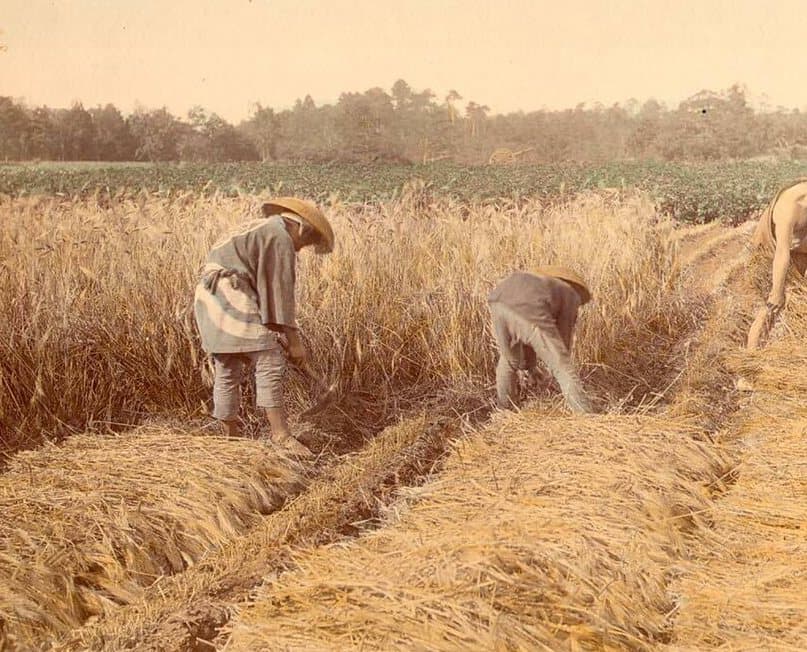
Are barley, rye and oats gluten free?
Here is the short answer in one table.
| Grain | Main protein | Do people with celiac disease react? | “Gluten” under US/EU rules | Japanese allergen label |
|---|---|---|---|---|
| Wheat | Gliadin and glutenin | Yes | Included | Required |
| Barley | Hordein | Yes | Included | Not required or recommended |
| Rye | Secalin | Yes | Included | Not required or recommended |
| Oats | Avenin | Few do, but oats are often mixed with other grains | Depends on the country | Not required or recommended |
The word “gluten” first meant a wheat protein.
Gliadin + glutenin = gluten
Wheat flour has these two proteins. When you add water and knead, they join together and form gluten, which makes dough stretchy and elastic. Hordein in barley, secalin in rye and avenin in oats are very similar to gliadin in wheat. But they have different names, and they give almost none of the stretch that makes bread rise.
Even so, the rules in the US, the EU, Australia and other places define gluten by whether people with celiac disease react to it. So barley and rye proteins are also “gluten” under those rules. In Japan, most people hear “gluten” and think of what makes bread and noodles chewy. In other words, they think of wheat. I wrote more about this gap in what “gluten free” means in Japan.
Where is barley in Japanese food?
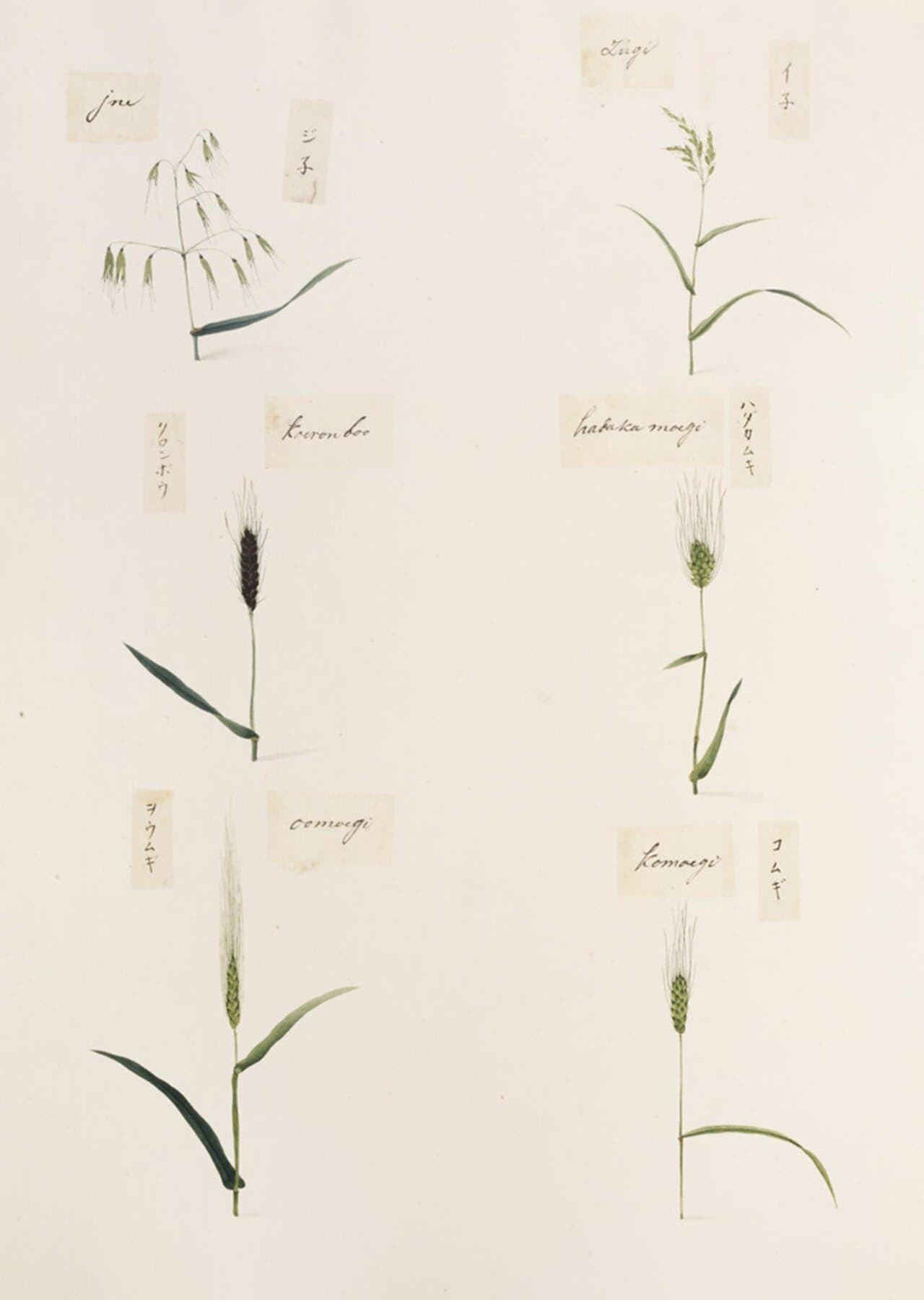
Barley is never far from the table in Japan, yet it is not covered by allergen labeling. If the ingredient list says “大麦” (barley) or “麦芽” (malt), you can find it. But it is not shown in the clear way wheat is. In packaged food, 麦芽エキス bakuga ekisu (malt extract), 麦芽水飴 bakuga mizuame (malt syrup) and モルトエキス moruto ekisu (also malt extract) are mostly made from barley too. For malt in beer and other drinks, see our guide to gluten-free alcohol in Japan. Remember these words when you read ingredient lists. Note that ingredient and allergen labels are required only on packaged, processed food. Restaurant dishes and side dishes sold loose have no labeling duty (Japan’s allergen labeling rules).
| Where | How barley gets in |
|---|---|
| Barley tea (mugicha) | Tea made by boiling roasted barley. Served like water at home and in restaurants, mostly in summer |
| Barley rice (mugi gohan, mochi mugi gohan) | White rice cooked with pressed barley (oshimugi) or sticky barley (mochi mugi) |
| Barley miso (mugi miso) | Miso made with koji (a mold starter culture) grown on barley or naked barley. Made in Kyushu, the Chugoku region of western Honshu, Shikoku and other areas |
| Packaged food | As an ingredient: malt extract, malt syrup and similar |
The Japanese word mugi (麦) usually covers both barley and wheat. But the mugi in mugicha, oshimugi and mugi miso is barley, and mugi meshi (rice with mugi) is also usually made with barley. The single word mugi does not always tell you which grain it is. On the other hand, hatomugi (Job’s tears) has mugi in its name, but it is not a gluten-containing grain. You cannot always judge by the name.
Is barley tea gluten free? Mugicha, the hidden barley of summer
Mugicha is the classic summer drink in Japan. Many homes keep a jug of it in the fridge. At casual eateries and set-meal restaurants (teishoku-ya), it is common to get cold mugicha instead of water.
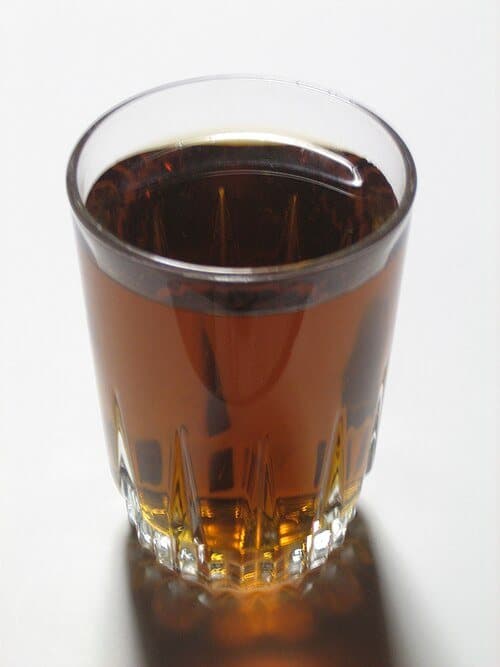
Mugicha is made from roasted barley. Barley is not gluten free, so mugicha is not treated as gluten free either. I could not find official data on how much protein passes from the barley into the tea. Since no one knows, if you need to avoid barley, the surest choice is not to drink it.
Barley sits outside Japan’s labeling rules, so no one will warn you. When someone says “here’s your tea,” it is worth asking whether it is green tea or barley tea.
Color alone does not always help. Hojicha (roasted green tea) is a similar brown. Also, some “blend teas” (burendo-cha) in bottles or in restaurants contain barley or malt. So the question is not only “green tea or barley tea?”
Is mochi mugi gluten free? Barley in the health boom
In recent years, mochi mugi has become popular in Japan. It is a type of barley with a soft, chewy texture. It is high in fiber (barley beta-glucan), so more families now cook it with white rice for their health.
When you eat out, health-minded set-meal restaurants, cafes and Japanese restaurants may mix mochi mugi or oshimugi into the rice. It looks like white rice with a few extra grains. You may not notice unless someone tells you. If you have celiac disease, check whether the rice has barley in it too.
Are oats gluten free? Avenin and the mixing problem
The protein in oats is called avenin. Oats contain less of this protein than wheat, barley or rye contain of theirs, and people with celiac disease are known to react to it less. Australia’s celiac patient organization estimates that fewer than 1 in 10 people with celiac disease react to oats that are free from other grains.
The problem is mixing. Ordinary oats on the market often get mixed with wheat or barley in the field or the factory. So countries treat oats differently.
- EU, UK and Canada: oats grown and processed to prevent mixing with wheat and other grains, at 20 ppm or less, can be labeled “gluten free”
- US: oats can be labeled “gluten free” if the final product is under 20 ppm (there are no rules on how they are produced)
- Australia and New Zealand: oats cannot be labeled “gluten free”
Oatmeal is getting more popular in Japan too, but Japan has no legal standard for “gluten free.” Decide with your doctor whether you can eat oats, and check whether a product was made to prevent mixing.
Can you eat barley with a wheat allergy?
Broadly, people with food restrictions draw the line in one of two places. Some only need the ingredient left out. Others must also avoid cross-contact (traces picked up during cooking). Where your line is changes how you deal with barley.
People who only need to avoid wheat as an ingredient, such as people with a wheat allergy, can sometimes eat barley, according to medical guidance. The proteins in wheat, barley, rye and oats share similar parts (this is called cross-antigenicity). Still, some people can eat barley with no symptoms. A wheat allergy alone is generally not considered a reason to cut out barley, rye and oats as a group. Most people with a wheat allergy are said to be able to drink mugicha. For my book, I interviewed a woman who has lived with a wheat allergy for more than ten years. She told me mugicha and mochi mugi are fine for her. But that is her own line, which she has checked with her doctor. Decide your line with your doctor.
For people who must also avoid barley and rye, such as people with celiac disease, barley in Japan is easy to miss, because it does not appear on allergen labels. Barley tea, barley rice, barley miso and malt in packaged food: keep these four in mind every time you eat in Japan.
Japanese phrases to use at restaurants
For the full guide on explaining your needs, see how to explain food allergies at restaurants in Japan.
How we approach barley at WE TABLE
When you say “gluten” at a restaurant in Japan, the staff will usually think only of wheat. Barley comes to the table quite naturally, with no bad intent, as barley tea or barley rice. That is why we suggest you name the grains, “wheat, barley and rye,” instead of using the single word “gluten.” On JOURNEY (our guided dinners, with a course built around your restrictions), we check with the chef in advance which parts of the meal contain barley or wheat, including the rice, the tea and the seasonings. Then we tell you openly how far the kitchen could keep them apart. We do not say “it’s safe.” What we can tell you is what we checked, and how far.
Read next
Questions people ask
Is barley gluten free?
No. Barley contains a protein called hordein, and people with celiac disease react to it. The rules in the US, the EU, Australia and other places count barley protein as gluten.
Is barley tea gluten free?
Barley tea (mugicha) is made from roasted barley, so it is not treated as gluten free. We could not find official data on how much protein passes into the tea. Most people with wheat allergy are said to be able to drink it.
Are oats gluten free?
Fewer than 1 in 10 people with celiac disease are estimated to react to oat protein (avenin), but ordinary oats are often mixed with wheat or barley. In the EU, the UK and Canada, oats grown to prevent mixing and at 20 ppm or less can be labeled gluten free. In the US, the final product must be under 20 ppm. In Australia and New Zealand, oats cannot be labeled gluten free.
Can you eat barley with a wheat allergy?
Wheat and barley proteins share similar parts (cross-antigenicity), but some people with wheat allergy can eat barley with no symptoms. A wheat allergy alone is generally not considered a reason to cut out barley, rye and oats as a group. Follow your doctor’s advice on how far you can go.
Is barley on allergen labels in Japan?
No. Japanese allergen labeling does not require or recommend labeling barley or rye. You can find barley only in the ingredient list, under words such as 大麦 (barley) or 麦芽 (malt).
Sources
- Daly M, et al. Mapping Coeliac Toxic Motifs in the Prolamin Seed Storage Proteins of Barley, Rye, and Oats Using a Curated Sequence Database. Frontiers in Nutrition (2020)
- eCFR: 21 CFR 101.91 Gluten-free labeling of food (United States)
- Commission Implementing Regulation (EU) No 828/2014
- Definition of gluten in the Food Standards Code (New Zealand Gazette, 2015)
- Coeliac Australia: Oats and the gluten free diet
- Beyond Celiac: Is Barley Gluten-Free?
- 国立病院機構 小倉医療センター「小麦アレルギーの方へ」 (NHO Kokura Medical Center: For people with wheat allergy)
- 厚生労働省「保育所におけるアレルギー対応ガイドライン(2019年改訂版)」 (Ministry of Health, Labour and Welfare: Guidelines for allergy care in nursery schools, 2019 revision; barley tea and wheat allergy)
- Health Canada: Gluten-free labelling claims for products containing specially produced gluten-free oats
- 消費者庁「食物アレルギー表示に関する情報」 (Consumer Affairs Agency: Food allergy labeling)
- コトバンク「麦」 (Kotobank: Mugi, from Japanese dictionaries and encyclopedias)
- 愛媛県「えひめの麦みそ」研究資料 (Ehime Prefecture: Research on Ehime barley miso)
- 近畿経済産業局「もち麦」資料 (Kinki Bureau of Economy, Trade and Industry: Mochi mugi, barley beta-glucan, planting and sales trends)
- Daiki Kobayashi, Gluten-Free Japan: Between the Kitchen and the Table (forthcoming)