
Is Japanese Soy Sauce Gluten Free? Tamari, White, Wheat-Free
 Daiki Kobayashi · Founder of WE TABLE
Updated · 9 min read
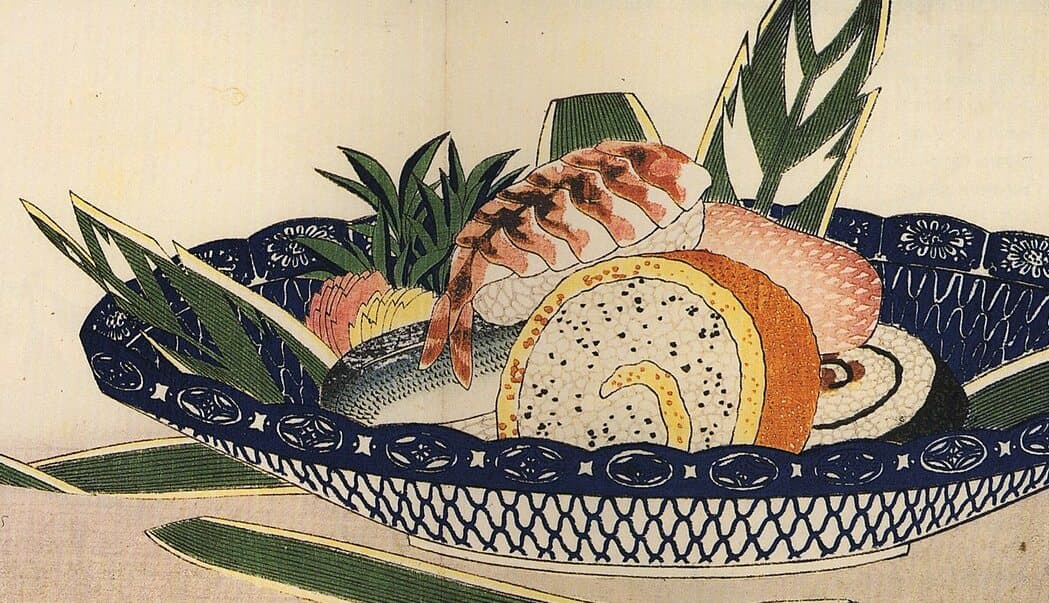
Is Japanese soy sauce gluten free? The 5 types and wheat
Japan’s national standard (JAS) divides soy sauce, or shoyu, into five types. They differ in how much soybean and wheat they use, and in how they are brewed. The standard’s word for the grain is mugi, which covers wheat and barley.
| Type | Ingredients under the standard | Wheat? |
|---|---|---|
| Koikuchi (dark) | Soybeans and about the same amount of wheat or barley | Yes. More than 80% of shipments in Japan (2024) |
| Usukuchi (light) | Soybeans and about the same amount of wheat or barley (sometimes with added wheat gluten) | Yes |
| Tamari | Soybeans only, or soybeans with a small amount of wheat or barley | Some have wheat, some do not |
| Saishikomi (double-brewed) | Soybeans and about the same amount of wheat or barley | Yes |
| Shiro (white) | A small amount of soybeans with wheat or barley (sometimes with added wheat gluten) | Wheat is the main ingredient |
So almost everything people call “soy sauce” at Japanese tables and restaurants is made with wheat. The pale shiro (white soy sauce) actually uses more wheat than soybeans. You cannot judge a soy sauce by its color.
Is tamari always gluten free?
Outside Japan, “tamari” is often introduced as another name for wheat-free soy sauce. It is true that tamari is brewed mainly from soybeans. Japanese encyclopedias also describe it as a soy sauce made without wheat.
But the Japanese standard defines tamari as “soybeans only, or soybeans with a small amount of wheat or barley.” A tamari can contain a little wheat and still be called tamari.
The name “tamari” alone does not mean it was made without wheat.
There is only one way to check. Look at the ingredient list on the label and see if it says wheat (小麦, komugi). In Japan, wheat must be labeled on packaged food. So if a packaged soy sauce contains wheat, the label will always say so. But restaurant dishes, and food sold loose or packed on the spot, have no allergen labeling duty (Japan’s allergen labeling rules).
Many cooks share this belief. When I talk with chefs in Japan, quite a few of them think “soy sauce without wheat = tamari.” If you really need to avoid wheat, do not rely on words alone. Ask to see the package of the soy sauce they use. If you ask politely, many restaurants are happy to show you the back of their packages, for soy sauce and other products too.
Is traditionally brewed soy sauce gluten free? Countries disagree
This is the hardest part of the soy sauce question.
Soy sauce is made by growing koji mold on soybeans and wheat. This is then mixed with salt water and left to ferment for a long time.
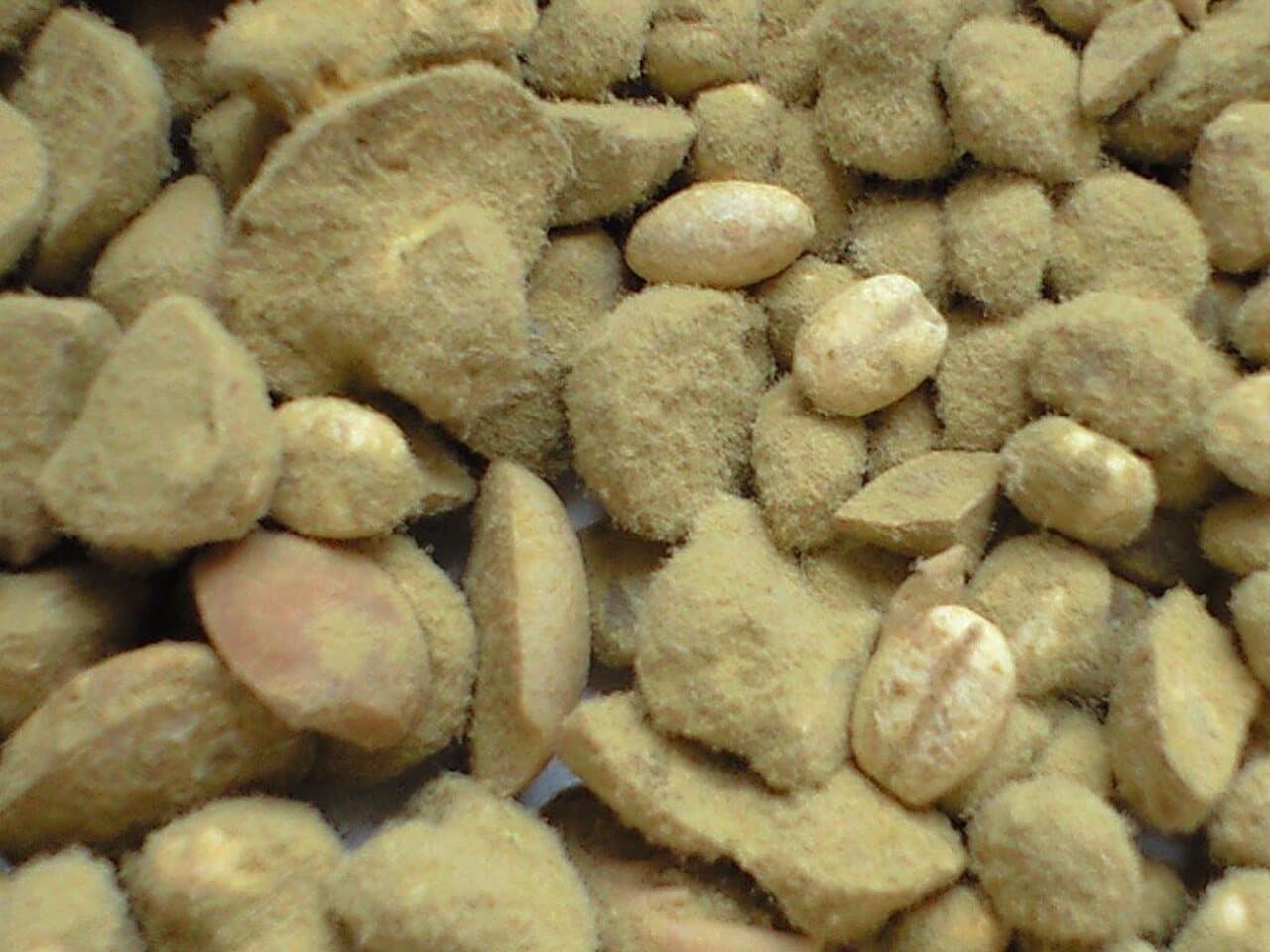
During fermentation, the wheat protein is broken into small pieces. Because of this, experts do not agree on how much gluten remains in regular soy sauce.
- Celiac disease patient groups in Sweden and Finland treat traditionally brewed soy sauce made with wheat as gluten free. The group in Norway has reportedly joined them.
- In the UK, Coeliac UK says soy sauce made with wheat is not suitable for people with celiac disease. It recommends soy sauce labeled gluten free, and says some tamari soy sauces are also suitable.
- In the USA, the Food and Drug Administration (FDA) says that for fermented foods, the ingredients before fermentation must meet the gluten-free standard. This is because there is no accurate way to measure gluten after fermentation. Soy sauce made from wheat cannot be labeled “gluten free.”
Japan has no legal definition or standard for “gluten free” labels. The only national standard is for “non-gluten” rice flour. What Japan does have is a rule that wheat must be labeled as an allergen. So when you see “gluten free” on a soy sauce in Japan, it is usually based on the maker’s own standard.
For wheat allergy, Japan does have guidance. The Ministry of Health, Labour and Welfare’s guidelines for nursery schools say that the wheat protein in soy sauce is broken down during fermentation, so people with a wheat allergy can, in principle, have soy sauce. But that is only “in principle.” If you have a severe wheat allergy, follow your doctor’s advice.
Where you draw the line is for you to decide, with your country’s rules and your doctor. What this article can say is only this: regular Japanese soy sauce contains wheat as an ingredient.
From hishio to Choshi and Noda: a short history of soy sauce
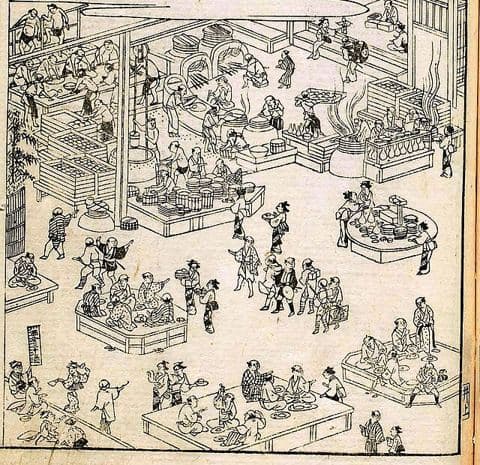
Soy sauce is said to come from hishio, a paste of grain and other foods fermented with salt. There is a well-known story from the Kamakura period (1185–1333). Kakushin, a Zen monk back from China, brought the method for making Kinzanji miso. The liquid that pooled at the bottom of the barrels tasted so good that people in Yuasa, in Kii Province (now Wakayama), began selling it as a seasoning. This is a story that has been passed down, not a proven fact.
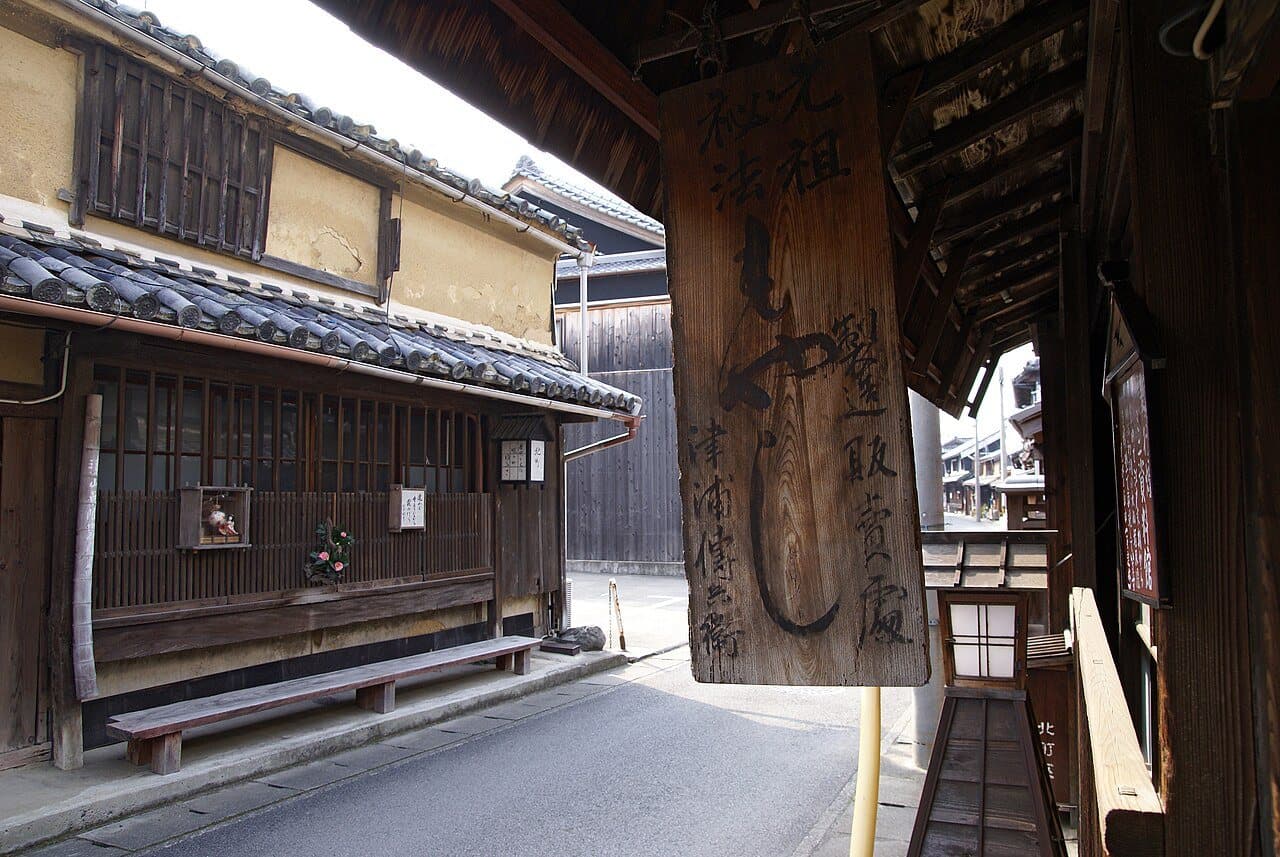
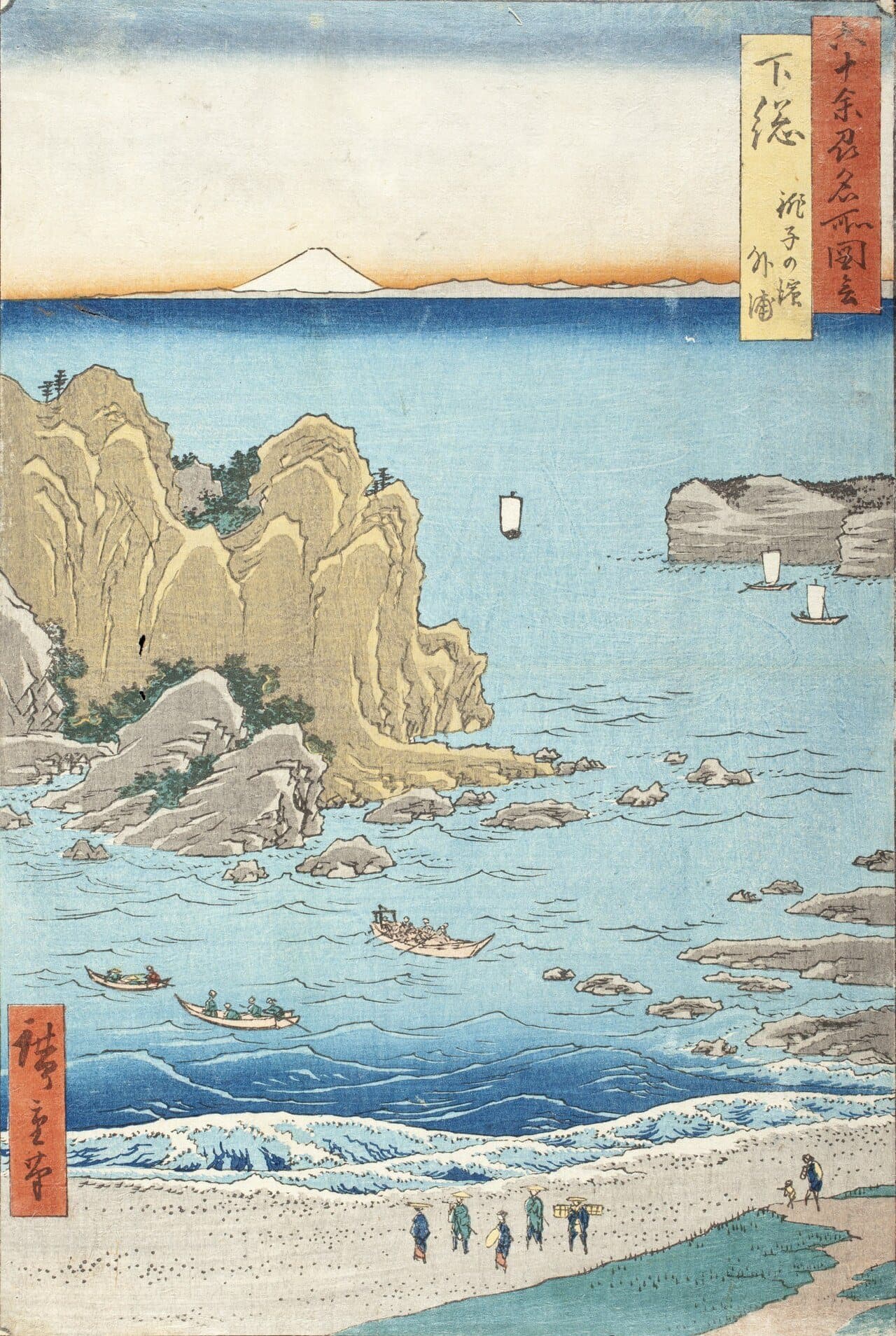
In Edo (today’s Tokyo), soy sauce brewed in the Kansai region was prized as kudari shoyu (“soy sauce sent down” from the west). Over time, brewing grew in the Kanto region too. From the middle of the Edo period, large amounts of soy sauce from Choshi and Noda in Chiba reached the city. Several of Japan’s major soy sauce makers are still based in this area today.
Around 1800, the sweet and savory mix of soy sauce with sugar or mirin (sweet rice wine for cooking) started to appear widely in cookbooks. From then on, much of Japanese cooking was built on the taste of soy sauce. The dipping sauce for soba and the warishita broth for sukiyaki both come from this tradition.
Which Japanese dishes contain soy sauce?
Soy sauce hides in many more places than you might think.
| Dish | Where the soy sauce is |
|---|---|
| Sushi and sashimi | In the small dish on the side. Also in tsume (a sweet, reduced glaze brushed on some sushi) |
| Soba and udon | The tsuyu (dipping sauce or broth) |
| Sukiyaki and simmered dishes | The warishita broth and simmering liquid |
| Teriyaki and yakitori | The tare (glaze) |
| Karaage (fried chicken) | The marinade |
| Ramen | The soup of shoyu ramen, and the sauce for chashu (braised pork) |
| Senbei (rice crackers) | The seasoning. Even rice snacks often contain wheat if they are soy-sauce flavored |
| Ponzu and mentsuyu | Soy sauce is an ingredient |
For other places wheat gets into sushi besides soy sauce (the vinegar, tsume and rolled omelet), see sushi and gluten in Japan.
Can you buy gluten-free soy sauce in Japan?
To be honest, finding soy sauce without wheat in Japan is harder than you might expect. When I lived in Shibuya, Tokyo, I turned over every bottle on the supermarket shelf to read the ingredients. There was one wheat-free bottle at most. And I think the one I happened to find was a tamari. Supermarkets in central Tokyo are small, with a limited range. Large supermarkets have a few more choices.
When you choose, check these two things:
- The ingredient list does not include wheat (小麦, komugi).
- Even if it says “gluten free,” Japan has no legal standard for that label, so check the ingredient list.
When eating out, some people carry their own soy sauce in a small container. Restaurants have different views on bringing your own, so ask before you use it.
Japanese phrases to ask about soy sauce
For the full approach, see how to explain food allergies at restaurants in Japan.
How we approach soy sauce at WE TABLE
Soy sauce is like a river in Japanese cooking. Once it enters upstream, it flows down into many dishes. That is why eating out in Japan is not easy for people who need to avoid soy sauce. We do not say “it’s safe.” What we can do is check which dishes contain soy sauce and which soy sauce is used, and tell you. At JOURNEY (our guided dinners, with a course built around your restrictions), we confirm with the chef in advance what goes into each dish, soy sauce included, and we share exactly where we could and could not keep things separate.
Read next
Questions people ask
Is soy sauce gluten free in Japan?
Mostly no. Koikuchi, the most common Japanese soy sauce, is made from soybeans and about the same amount of wheat. To avoid wheat, choose a soy sauce with no wheat in the ingredient list, or one labeled wheat-free or gluten free.
Is tamari gluten free?
Not always. Under the Japanese standard, tamari is made from soybeans alone, or soybeans with a small amount of wheat or barley. Check the ingredient list for wheat.
Is Kikkoman soy sauce gluten free?
Regular Kikkoman koikuchi soy sauce is brewed with wheat. In some countries and regions, Kikkoman also sells a gluten-free soy sauce made without wheat. Check the label of the product sold in your country.
Is traditionally brewed soy sauce gluten free?
Experts disagree. Brewing breaks down wheat protein, and some Nordic celiac groups accept it, while Coeliac UK and the US FDA do not treat wheat-based soy sauce as gluten free. Decide with your country’s rules and your doctor.
Can you buy gluten-free soy sauce in Japanese supermarkets?
Yes, but wheat-free soy sauce is not common. A small supermarket in central Tokyo may have only one, or none. It is easier to find one in a large supermarket. Check that the ingredient list has no wheat (小麦).
Listen
The key points of this article, as a short video (about 2 min, AI voice).
Sources
- 農林水産省「しょうゆの日本農林規格(JAS 1703:2021)」 (Ministry of Agriculture, Forestry and Fisheries: Japanese Agricultural Standard for soy sauce)
- 日本醤油協会・しょうゆ情報センター「醤油の統計資料(2024年実績)」種類別出荷数量 (Japan Soy Sauce Association / Soy Sauce Information Center: Soy sauce statistics for 2024, shipments by type)
- 厚生労働省「保育所におけるアレルギー対応ガイドライン(2019年改訂版)」 (Ministry of Health, Labour and Welfare: Guidelines for allergy care in nursery schools, 2019 revision; soy sauce and wheat allergy)
- 宇都宮由佳「甘い醤油の歴史」(農畜産業振興機構『砂糖類・でん粉情報』2022年9月号) (Yuka Utsunomiya: The history of sweet soy sauce, ALIC, September 2022)
- コトバンク「しょうゆ」(日本大百科全書ほか) (Kotobank: Soy sauce, from the Nipponica encyclopedia and others)
- Gluten Free Watchdog: Traditionally brewed soy sauce: Is it actually free of gluten peptides? (2025)
- Coeliac UK: Is Chinese soy sauce gluten free?
- 農林水産省「ノングルテン米粉の製造工程管理JAS」 (Ministry of Agriculture, Forestry and Fisheries: JAS for non-gluten rice flour production control)
- Kikkoman USA: Gluten-Free Soy Sauce
- 消費者庁「食物アレルギー表示に関する情報」 (Consumer Affairs Agency: Food allergy labeling)
- Daiki Kobayashi, Gluten-Free Japan: Between the Kitchen and the Table (forthcoming)